


When does the baby usually engage (drop into the pelvis)?
Mar 20, 2022
Source: Cainiu Health

Dr. Zhang Jianhai
Introduction
“Engagement” refers to the process in late pregnancy wherein the fetus—surrounded by amniotic fluid and fetal membranes—adopts a head-down, buttocks-up, fully flexed position, allowing its head to pass through the maternal pelvic inlet into the pelvic cavity, thereby stabilizing its position. When engagement occurs, many pregnant women experience intermittent abdominal tightening and a sensation of heaviness or dull pain. Following engagement, increased pressure on the bladder often exacerbates urinary frequency.
Pregnancy typically lasts approximately ten months. From the moment conception occurs, the fetus gradually develops, and by the time labor approaches, it is fully formed. During childbirth, delivery can only proceed once the fetal head has engaged (descended into the maternal pelvis). So, when does the baby usually engage?
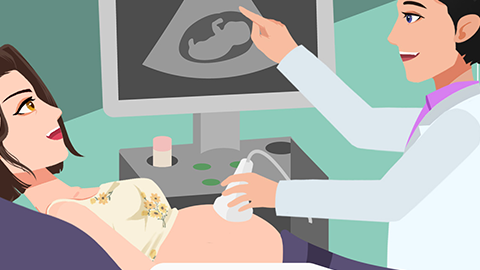
When Does the Baby Usually Engage?
In singleton pregnancies reaching full term (≥37 weeks), with cephalic presentation and normal placental positioning, engagement typically occurs about two weeks before the onset of labor. Engagement most commonly happens between 37 and 38 weeks’ gestation; however, some women may not experience engagement until week 39. Following engagement, uterine contractions may begin. In cases of abnormal fetal presentations—such as breech or transverse lie—or in conditions like complete or central placenta previa, engagement is often difficult or impossible due to a high-riding fetal head or presenting part.

After engagement, the fetus becomes relatively fixed in position, resulting in reduced amplitude and frequency of fetal movements. Pregnant women should strictly adhere to their healthcare provider’s recommendations for routine antenatal check-ups and perform regular self-monitoring of fetal movements. Any marked increase or decrease in fetal movement warrants prompt medical evaluation to prevent complications. Additionally, pregnant women should maintain good personal hygiene: keep the perineal area clean and dry, wash the external genitalia daily with clean water before bedtime, thoroughly pat dry, and change into clean underwear. Underwear should be washed in boiling water and then sun-dried to minimize the risk of gynecological infections.
The above information addresses the typical timing of fetal engagement. We hope this response is helpful to you.





