What should I do for gastric cancer pain?
Mar 21, 2022
Source: Cainiu Health

Dr. Zong Qiang
Introduction
Gastric cancer is a malignant tumor arising from gastric tissue and is the most common malignancy of the stomach. The hallmark feature of cancer cells is their ability to proliferate uncontrollably and extensively, independent of normal physiological regulation. This uncontrolled growth impairs the stomach’s normal digestive function, invades surrounding tissues and organs, and may lead to complications such as bleeding and pain.
The food we consume passes through the mouth and esophagus before being temporarily stored in the stomach. After undergoing initial digestion for a period of time, it gradually empties into the small intestine for further digestion. At this point, we begin to feel hungry.
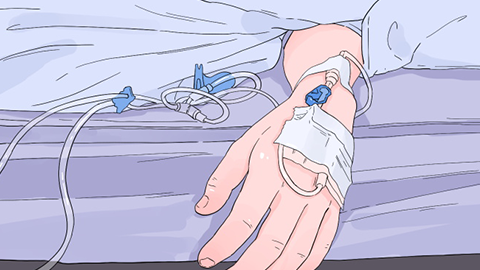
What to Do About Pain Caused by Gastric Cancer
Gastric cancer is a malignant tumor arising from gastric tissue and is the most common malignancy of the stomach. A hallmark feature of cancer cells is their uncontrolled, relentless proliferation, which impairs normal gastric digestive function, invades surrounding tissues and organs, and leads to complications such as bleeding and pain. When gastric cancer presents with pain, it typically indicates that the disease is no longer in its early stage. If the patient’s condition permits, radical gastrectomy or adjuvant chemotherapy can significantly alleviate pain caused by gastric cancer. If surgery is not feasible or pain persists, analgesic treatment may follow the World Health Organization’s (WHO) three-step analgesic ladder.
Step 1 involves using nonsteroidal anti-inflammatory drugs (NSAIDs) alone—such as aspirin—for mild cancer-related pain. Step 2 employs weak opioid analgesics—such as codeine—for moderate pain, often combined with NSAIDs. Step 3 utilizes potent opioid analgesics—such as morphine—for severe pain, potentially in combination with other classes of analgesics. In addition to pharmacologic analgesia, neurolytic interventions—including nerve blocks or ablation—may also be employed. For instance, intrathecal morphine delivery via an implanted morphine pump provides highly effective pain relief with minimal adverse effects.
The following groups are at high risk for gastric cancer and should therefore remain vigilant:
1. Individuals with a family history of gastric cancer—men aged 40 years and older should undergo regular screening;
2. Patients aged 40 years and older—particularly men—who recently develop dyspeptic symptoms, unexplained weight loss, fatigue, anemia, or sudden massive gastrointestinal hemorrhage should be highly suspected of having gastric cancer;
3. Patients with gastric ulcers that fail to respond to standard medical therapy after two months;
4. Patients who underwent subtotal gastrectomy for gastric ulcer more than 10 years ago.
Dietary considerations: Avoid overeating, eating too quickly or consuming excessively hot foods, and refrain from smoked or cured foods. Maintain regular, scheduled meals daily to help preserve normal gastric function.
We hope the above information is helpful to you. Wishing you good health and happiness!