


Can patients with liver cancer consume American ginseng?
Mar 22, 2022
Source: Cainiu Health

Dr. Zhao Haiming
Introduction
Can patients with liver cancer consume American ginseng? Whether patients with liver cancer may take American ginseng depends on their individual clinical condition. If the patient presents with a thin tongue coating and general physical weakness, moderate consumption of American ginseng may be considered. However, if jaundice is present, American ginseng should generally be avoided. In general, when using any tonifying herbs, treatment must be guided by pattern differentiation (syndrome differentiation) in Traditional Chinese Medicine.
Liver cancer can be broadly categorized into primary and secondary types. Primary liver malignancies originate from hepatic epithelial or mesenchymal tissues, whereas secondary liver malignancies refer to cancers that metastasize to the liver from malignant tumors arising in various other organs throughout the body. So, can patients with liver cancer consume American ginseng? Let’s explore this further.
Can patients with liver cancer consume American ginseng?
Whether patients with liver cancer may consume American ginseng depends on their individual clinical condition. For instance, those presenting with a thin tongue coating and general physical weakness may consider moderate intake of American ginseng. However, patients exhibiting jaundice should avoid it. In general, any supplementation—including herbal tonics—should follow the principles of Traditional Chinese Medicine (TCM) pattern differentiation and individualized treatment. Self-prescribed or indiscriminate use of tonics is strongly discouraged.
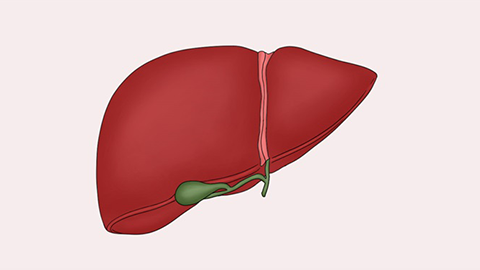
For patients with liver cancer, maintaining balanced nutrition is paramount—specifically, ensuring appropriate proportions of carbohydrates, high-quality proteins, and abundant vitamins. Patients should avoid excessively spicy, irritating, or coarse foods; adopt the habit of chewing food thoroughly and eating slowly; maintain regular bowel movements; and strictly abstain from alcohol and tobacco.
What causes liver cancer?
1. Hepatitis viruses: Approximately 90% of liver cancer patients in China have a background of hepatitis B virus (HBV) infection. China has a high prevalence of chronic HBV infection, and HBV-infected individuals face over 200 times greater risk of developing liver cancer compared with uninfected individuals. Hepatitis C virus (HCV) infection is also a major risk factor. In contrast, hepatitis A and E are typically acute infections and rarely lead to hepatocellular carcinoma.
2. Aflatoxin: High-incidence regions for liver cancer in China often coincide with humid climates where staple foods—particularly corn and peanuts—are prone to mold contamination. Aflatoxin, a potent carcinogen produced by Aspergillus molds, is commonly detected in such contaminated foods.
3. Alcohol: Chronic heavy alcohol consumption significantly increases the risk of liver cancer. Ethanol and its metabolites directly damage hepatocytes, leading to cellular degeneration and necrosis.
4. Water contamination: Severe environmental pollution—including contamination of drinking water sources—has been associated with increased incidence of liver cancer.
5. Schistosomiasis: Emerging evidence suggests that chronic schistosomal infection may contribute to the development of liver cancer.
We hope the above information is helpful to you.





