


Are carotid artery plaques serious?
Mar 27, 2022
Source: Cainiu Health

Dr. Li Man
Introduction
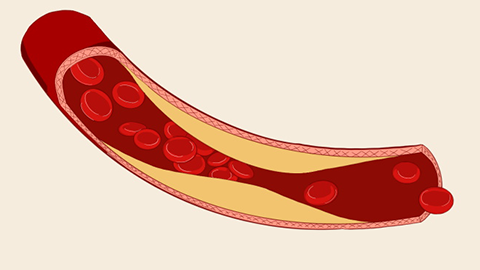
In general, the presence of plaques in the neck vessels is considered a serious condition, as they can readily cause vascular stenosis—or even complete occlusion—and predispose to thrombus formation. If a plaque becomes dislodged, it may travel through the arterial circulation and potentially lead to cerebral embolism, pulmonary embolism, or heart failure; in severe cases, it may even endanger the patient’s life. Therefore, this condition warrants prompt attention and management.
Carotid artery plaque is a manifestation of atherosclerosis. To date, the exact etiology of atherosclerosis remains incompletely understood. However, hyperlipidemia, hypertension, hyperglycemia, smoking, and obesity are all well-established risk factors. So, how serious is carotid artery plaque? Below, we address this question.
How serious is carotid artery plaque?
In general, the presence of carotid artery plaque is considered clinically significant, as it can readily lead to vascular stenosis—or even complete occlusion—and predispose to thrombus formation. If a plaque becomes dislodged, it may travel through the arterial circulation and potentially cause cerebral embolism, pulmonary embolism, or heart failure; in severe cases, it may even threaten the patient’s life. Therefore, prompt attention and appropriate management are essential.
Typically, under a physician’s guidance, antiplatelet agents—such as aspirin—may be prescribed, along with lipid-lowering medications—particularly statins—which help stabilize existing plaques. Patients should undergo regular follow-up examinations at the hospital and pay close attention to dietary modifications: high-salt, high-sugar, and high-fat foods should be avoided. Smoking and alcohol consumption should ideally be discontinued altogether. A light, easily digestible diet is recommended.
Please note that the above recommendations are for informational purposes only. Specific medication use must be individualized and undertaken only under the supervision of a qualified healthcare professional to avoid potential disease progression or complications that could impede recovery.
We hope this information is helpful to you.







