


Can beer and milk cause poisoning?
Mar 28, 2022
Source: Cainiu Health

Dr. Liu Zhengxin
Introduction
Can beer and milk cause poisoning? Beer and milk are considered incompatible; their combination may contribute to fatty liver disease, increase the formation of toxic substances, reduce the nutritional value of dairy products, and harm health. Therefore, it is advisable to consume milk either 30 minutes before or 30 minutes after drinking beer. When beer and milk are mixed, a chemical reaction occurs under the influence of alcohol present in the beer.
Beer, also referred to as ethanol, contains alcohol as its active ingredient. Once ethanol enters the human body, it may cause widespread damage—manifesting as dizziness, headache, nausea, vomiting, and confusion—and can also impair the nervous system and liver, resulting in significant discomfort. So, can consuming beer and milk together cause poisoning? Let’s explore this further.
Can Beer and Milk Cause Poisoning?
Beer and milk are considered incompatible: their combination may promote fatty liver development, increase the formation of toxic substances, and diminish the nutritional value of dairy products—thereby posing risks to health. Specifically, if milk is consumed within 30 minutes before or after drinking beer, the alcohol in the beer triggers a chemical reaction with the milk proteins, causing them to coagulate into flocculent, precipitate-like clumps that are difficult for the body to digest. However, if an interval of at least two hours is maintained between consumption of beer and milk, no adverse effects are expected.
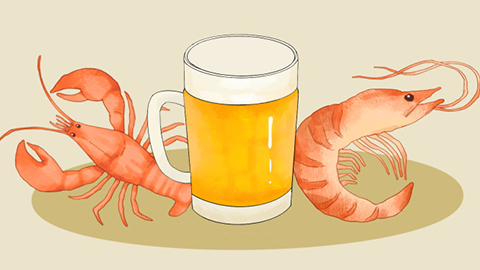
In daily life, it’s worth noting that milk can help alleviate intoxication. If excessive alcohol has been consumed, drinking some yogurt may effectively protect the gastric mucosa and slow alcohol absorption—particularly beneficial for relieving post-alcohol irritability.
What Should You Drink for a Hangover Headache?
For hangover-related headaches, moderate intake of fruit juices—especially orange juice—is recommended, as its high vitamin C content aids alcohol metabolism. Carbonated beverages, however, should be avoided, as they accelerate alcohol absorption and increase the risk of intoxication. Hangover headaches primarily result from alcohol-induced irritation; therefore, beverages with diuretic properties are especially helpful—orange juice being an excellent choice. Additionally, staying well-hydrated by drinking ample water is critically important.
Over-the-counter pain relievers may also be used for headache relief. If medication is not preferred, consuming beverages—preferably sweet ones—is advisable, as sweetness helps counteract the effects of alcohol. Honey water is an excellent option; conversely, plain sugar water should be avoided, as it may cause abdominal bloating or discomfort.
We hope the above information is helpful to you.







