Nursing Interventions for Brain Tumors
Apr 01, 2022
Source: Cainiu Health

Dr. Li Qi
Introduction
Nursing Interventions for Brain Tumors:
Nursing care for brain tumors primarily involves close monitoring of the patient’s vital signs, observation of the patient’s level of consciousness, and provision of appropriate dietary and daily living support. First and foremost, efforts should be made to maintain stable blood pressure, keep blood glucose within an optimal range, and ensure that respiratory rate and heart rate remain within normal limits.
Brain tumors are clinically classified into benign and malignant types. Benign brain tumors typically progress slowly, and standard surgical resection often leads to complete cure. In contrast, malignant brain tumors exhibit infiltrative growth patterns, making them difficult to distinguish from surrounding normal brain tissue; thus, wider surgical resection is usually required. So, what nursing measures are recommended for patients with brain tumors? Let’s explore them below.
Nursing Measures for Brain Tumors
Key nursing measures for brain tumor patients include close monitoring of vital signs, careful observation of the patient’s level of consciousness, and providing appropriate care in daily activities and dietary management.
Firstly, it is essential to maintain stable blood pressure and keep blood glucose within an optimal range. Respiratory rate and heart rate should also be maintained as close as possible to normal physiological levels.
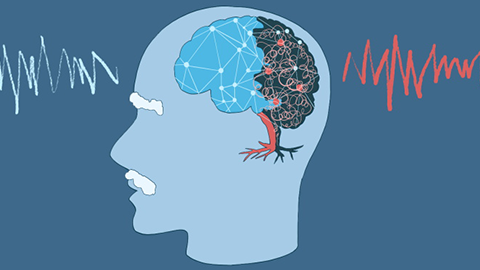
Secondly, following brain tumor surgery, particular attention must be paid to monitoring the patient’s level of consciousness, limb movement, and pupillary changes. Repeat cranial CT scans are also necessary to detect any intracranial hemorrhage.
Dietarily, patients should consume light, liquid-based meals consisting of easily digestible, high-calorie foods. Regular turning and back percussion are required to facilitate expectoration and reduce the risk of pulmonary infection. Additionally, assisting the patient with passive or active limb exercises helps promote circulation and prevent thrombosis.
What Causes Brain Tumors?
1. Congenital factors: During embryonic development, certain cells or tissues may cease proliferation and persist within the nervous system. These residual tissues retain differentiation potential and may subsequently develop into tumors.
2. Genetic factors: Some brain tumors are associated with multiple inherited genetic abnormalities and demonstrate familial clustering. Certain hereditary syndromes significantly increase the risk of developing brain tumors.
3. Physical factors: Ionizing radiation can induce tumor formation in various anatomical sites. Experimental evidence confirms a dose-dependent relationship between radiation exposure and tumor development.
4. Chemical factors: Numerous chemical agents have been implicated in brain tumor pathogenesis. For instance, vinyl chloride is currently considered the most likely chemical carcinogen associated with brain tumors.
We hope the above information is helpful to you.