


What are the possible causes of dizziness after thyroid cancer surgery?
Apr 02, 2022
Source: Cainiu Health
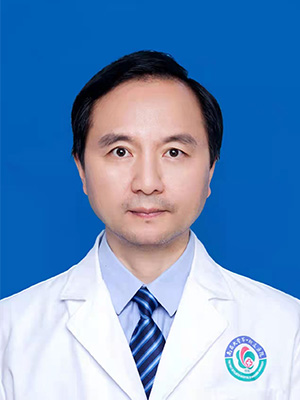
Dr. Peng Xiaodong
Introduction
If a patient has thyroid cancer, surgical resection is typically required. Following surgery, patients may experience dizziness due to the physiological stress of the procedure itself, the effects of anesthetic agents, and significant psychological stress—leading to symptoms such as dizziness and a sensation of head fullness or pressure.
Cancer statistics indicate that in China, approximately 4.29 million new cancer cases are diagnosed annually—accounting for 20% of all new global cases—with approximately 2.81 million cancer-related deaths each year. Cancer prevention and control have thus become a major public health priority in our country.

Why do some patients experience dizziness after thyroid cancer surgery?
Patients diagnosed with thyroid cancer often require surgical resection. Postoperatively, dizziness may occur due to multiple factors—including the physiological stress of surgery itself, the residual effects of anesthetic agents, and heightened psychological stress—all of which can contribute to symptoms such as dizziness and head pressure.
Additionally, during general anesthesia, hypotension may develop, leading to dizziness. Prolonged surgical duration combined with preoperative fasting may result in hypoglycemia, another potential cause of dizziness. Moreover, patients with preexisting cardiovascular risk factors—such as hypertension, diabetes mellitus, or hyperlipidemia—are prone to atherosclerosis, which may impair cerebral perfusion and thereby precipitate dizziness.
Postoperative dietary management must strictly follow healthcare providers’ instructions. Following gastrointestinal surgery, once gastrointestinal function has recovered, initial feeding should consist of clear liquids and semi-liquid foods—such as milk, thin rice porridge, lotus root starch, jujube porridge, or meat broth. Subsequently, patients may progress to soft, easily swallowed, nutrient-dense foods—including bread, wontons, noodles—accompanied by lean meats, fish, eggs, legumes, vegetables, and fruits. For frail patients or those with compromised gastrointestinal function, smaller, more frequent meals are recommended. In select cases, elemental diets may be prescribed as needed.
We hope the above information is helpful. Wishing you good health and happiness!







