


What should I do if I have insomnia due to heart disease?
Apr 07, 2022
Source: Cainiu Health

Dr. Li Man
Introduction
Clinically, if a patient with heart disease experiences insomnia due to symptoms such as palpitations and chest tightness, the priority is to alleviate these cardiac symptoms—palpitations and chest tightness—by managing the underlying heart condition. Only after these discomforting symptoms are effectively relieved can the patient’s insomnia be meaningfully improved. Moreover, the choice of medication varies depending on the specific type of heart disease.
Heart disease refers to a collective term for disorders involving pathological changes in the heart. It is one of the more common circulatory system diseases encountered clinically. The circulatory system comprises the heart, blood vessels, and neurohumoral regulatory tissues that govern blood circulation. Circulatory system diseases—also known as cardiovascular diseases—can severely impair patients’ health and work capacity. So, what should be done when heart disease leads to insomnia? Below, we address this question.
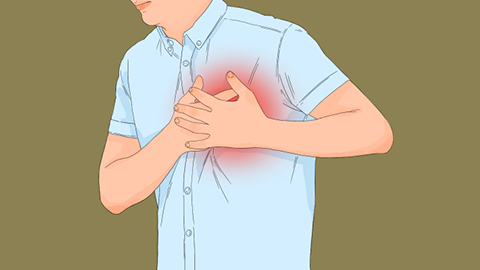
What to do when heart disease causes insomnia
Clinically, if a patient with heart disease experiences insomnia secondary to symptoms such as palpitations or chest tightness, management should focus on alleviating the underlying cardiac condition responsible for these symptoms. Only after relieving such discomfort—including palpitations, chest tightness, and related manifestations—can insomnia be effectively improved.
Medication selection varies depending on the specific type of heart disease. For instance, if palpitations and chest tightness stem primarily from rapid ventricular rate or atrial fibrillation, oral metoprolol may be recommended to slow the heart rate. Conversely, if these symptoms arise mainly from heart failure,
then diuretics such as furosemide and spironolactone are generally recommended to reduce cardiac preload and afterload. In addition, under physician guidance, digoxin may be prescribed when necessary to enhance myocardial contractility and improve heart failure symptoms. Therefore, patients are advised to maintain regular daily routines, avoid excessive physical exertion, follow a balanced diet, and undergo periodic medical examinations.
We hope this information is helpful to you.





