


Symptoms of Facial Skin Allergy
Apr 09, 2022
Source: Cainiu Health

Dr. Gan Liqiang
Introduction
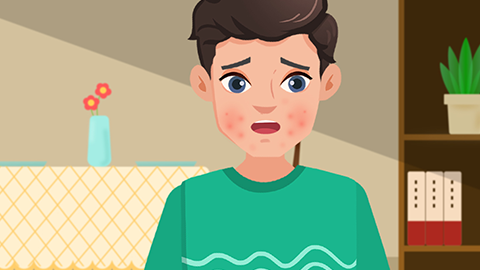
The most common manifestation of facial allergies is facial redness, which may be accompanied by swelling, small bumps, papules, or even tiny blisters. In severe cases, oozing may occur, along with itching of varying intensity. Itching is a frequent patient complaint in allergic reactions; however, its severity differs among individuals—some experience only mild itching, while others suffer from intense pruritus.
As living standards improve, people are investing increasingly more in themselves—especially many women, who pay close attention to and take great care of their appearance. Skincare products often cost more than food or clothing; yet, despite meticulous daily care, the skin sometimes still reacts poorly and develops allergic reactions.
Symptoms of Facial Skin Allergy
The most common manifestation of facial allergy is redness, which may be accompanied by swelling, small bumps, papules, or even tiny blisters. In severe cases, oozing may occur—these are the most typical visible signs on the skin. Itching of varying intensity is also common; while some individuals report only mild pruritus, others experience intense itching. Additionally, patients may feel burning or heat sensations—intensity varies depending on the severity of the allergic reaction and individual sensitivity. However, most people with rashes also experience a sensation of warmth or burning.

When facial allergy occurs, the first step is to avoid suspected allergens—including skincare products, foods, medications, or other potential triggers. Gently wash the face with lukewarm water (around 20–30°C), followed by rinsing with cool water. Applying chilled facial masks may help alleviate symptoms and strengthen the skin’s resistance. If symptoms are severe, prompt consultation with a dermatologist is essential: allergy testing should be performed, and antihistamines—such as cetirizine or loratadine—may be prescribed under professional guidance. In severe cases, oral corticosteroids may be required per physician instruction.
The above outlines the common symptoms of facial skin allergy. We hope this information is helpful to you.



