


Can patients with fatty liver disease consume peanut oil?
Apr 10, 2022
Source: Cainiu Health

Dr. Liu Zhengxin
Introduction
Can patients with fatty liver consume peanut oil?
Patients with fatty liver may consume peanut oil in moderation; however, intake must be strictly controlled—appropriate and moderate consumption is essential. Excessive intake should be avoided to prevent excessive fat intake, which may worsen fatty liver disease. Like soybean oil, peanut oil is a cooking oil rich in fats; therefore, its consumption must also be limited.
The etiology of fatty liver disease is largely determined by the patient’s daily dietary habits. Therefore, strict dietary control is especially critical for individuals with fatty liver disease. So, can patients with fatty liver consume peanut oil? Let’s explore this further.
Can Patients with Fatty Liver Consume Peanut Oil?
Patients with fatty liver disease may consume peanut oil in moderation; however, intake must be strictly controlled—appropriate and moderate consumption is essential to avoid excessive fat intake, which could exacerbate the condition. Like other cooking oils such as soybean oil, peanut oil is a high-fat condiment; thus, its consumption must also be carefully regulated.
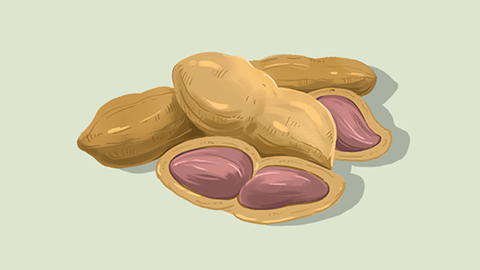
Peanut oil is rich in zinc—its zinc content is many times higher than that found in other edible oils, such as salad oil, rapeseed oil, and soybean oil—making it more nutritious and health-promoting. Regular consumption of peanut oil not only supplies dietary fats but also helps meet zinc requirements. Moreover, peanut oil offers anti-aging benefits and supports cardiovascular and cerebrovascular health, owing to bioactive compounds present in peanuts—including resveratrol, monounsaturated fatty acids, and β-sitosterol.
In daily life, intake of excessively greasy foods—such as pork ribs, braised pork belly, and pig intestines—should be limited, as these are high in fat. Instead, adopt a light, balanced diet rich in vegetables (e.g., Chinese cabbage, lettuce, celery) to promote gastrointestinal motility, facilitate waste elimination, support weight loss, and thereby effectively alleviate fatty liver disease. Alcohol and tobacco use must be completely avoided, as should barbecued or hotpot meals.
1. Individuals who are overweight or obese must prioritize weight management. Fatty liver disease should be taken seriously as a medical condition—not dismissed lightly—since uncontrolled progression may lead to hepatic fibrosis or even cirrhosis. This warrants vigilant attention and proactive intervention.
2. Ensure adequate rest and avoid staying up late. Engage in appropriate physical activity, such as fitness training or swimming.
We hope the above information is helpful to you.






