


Can liver function tests detect fatty liver?
Aug 12, 2025
Source: Cainiu Health

Dr. Gao Jun
Introduction
Under normal circumstances, liver function tests cannot directly detect fatty liver disease, but they can provide some reference for determining its presence. In daily life, preventing fatty liver requires developing good eating habits and reducing the intake of high-fat and high-sugar foods. Regular health checkups, combined with multiple tests, can provide a comprehensive understanding of liver status and help maintain liver health.
Generally, liver function tests cannot directly detect fatty liver disease, but they can provide some reference for determining its presence. The detailed analysis is as follows:
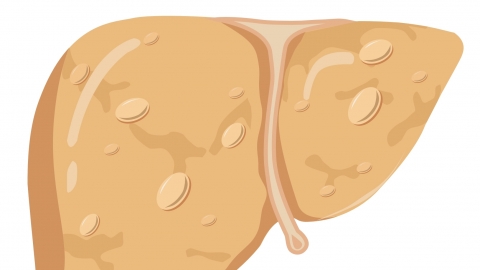
Liver function tests mainly reflect the functional status of the liver by measuring indicators such as transaminases, bilirubin, and albumin in the blood. When fatty liver causes liver cell damage, it may lead to elevated levels of indicators such as transaminases. In such cases, abnormal results from liver function tests may indicate liver problems. However, these abnormal indicators are not specific to fatty liver disease; other liver diseases can also cause similar changes. Therefore, liver function tests alone cannot be used to diagnose fatty liver definitively.
To determine whether fatty liver disease is present, imaging examinations such as abdominal ultrasound or CT are also needed. These tests can directly observe the liver's morphology and structure to assess whether fat infiltration exists. Liver function tests can only serve as an auxiliary method to help understand whether fatty liver has affected liver function.
In daily life, preventing fatty liver requires developing good eating habits and reducing the intake of high-fat and high-sugar foods. Regular health check-ups combining multiple tests are necessary to comprehensively understand liver health and maintain liver function.


