


Will the tumor shrink after one cycle of chemotherapy?
Apr 13, 2022
Source: Cainiu Health

Dr. Peng Xiaodong
Introduction
Chemotherapy plays a crucial role in the treatment of malignant tumors. During chemotherapy, tumor masses may shrink and symptoms may improve. For moderately chemosensitive tumors, shrinkage of the tumor mass may not become apparent until after one or two cycles of chemotherapy. Additionally, some tumors may show neither shrinkage nor growth following chemotherapy—this stable disease status can also be considered a therapeutic response.
Chemotherapy—short for “chemical therapy”—is a treatment method that uses chemically synthesized drugs to kill tumor cells or inhibit their growth. It is one of the most important therapeutic modalities for malignant tumors. But does a single chemotherapy session cause tumor shrinkage? Below, we address this question.
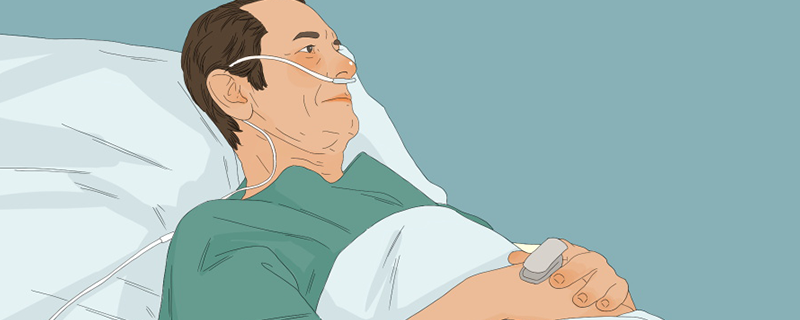
Does a single chemotherapy session cause tumor shrinkage?
Chemotherapy plays a crucial role in treating malignant tumors. In chemotherapy-sensitive tumors, shrinkage of the tumor mass and alleviation of symptoms may be observed during treatment. For moderately sensitive tumors, reduction in tumor size may only become apparent after completing one or two cycles of chemotherapy. Additionally, some tumors may show neither shrinkage nor enlargement following chemotherapy; such stable disease can still indicate treatment efficacy.
Conversely, certain tumors may actually increase in size after chemotherapy—particularly if the tumor grows by more than 30% compared to its original size—indicating that chemotherapy is ineffective for that specific tumor. Thus, tumor response to chemotherapy varies significantly across different types of cancer.
Additional Information: Key Considerations During Chemotherapy
1. Dietary adjustments: Most patients undergoing chemotherapy experience gastrointestinal side effects such as loss of appetite, nausea, and vomiting. Those affected should adopt a light, easily digestible diet, minimizing intake of oily and coarse foods.
2. Symptomatic management: Chemotherapy may induce bone marrow suppression. Patients are advised to undergo regular blood tests at the hospital. If reductions in white blood cell count, red blood cell count, or platelet count occur, appropriate interventions—including oral medications or, in severe cases, injectable therapies—should be initiated.
3. Regular monitoring: Should liver or kidney function impairment arise during chemotherapy, patients should undergo periodic assessments of hepatic and renal function at the hospital.
The above outlines whether a single chemotherapy session leads to tumor shrinkage. We hope this information proves helpful.





