


Symptoms of Bronchopneumonia in Infants
Apr 14, 2022
Source: Cainiu Health

Dr. Ma Yan
Introduction
Bronchopneumonia in infants may have either an acute or gradual onset. In cases of acute onset, symptoms may include fever, vomiting, irritability, and dyspnea (shortness of breath or labored breathing). Prior to the onset of pneumonia, infants may experience mild upper respiratory tract infection; fever typically develops several days after infection, with body temperature commonly ranging from 38°C to 39°C—sometimes reaching as high as 40°C. However, some children may not develop fever at all, or may even exhibit hypothermia (low body temperature).
Bronchopneumonia in infants is a relatively common pediatric respiratory infection. If not detected and treated promptly, it can lead to mortality. So, what are the symptoms of bronchopneumonia in infants?
Symptoms of Bronchopneumonia in Infants
Bronchopneumonia in infants may have either an acute or gradual onset. In cases of acute onset, symptoms may include fever, vomiting, irritability, and dyspnea (shortness of breath). Prior to the onset of bronchopneumonia, infants may experience mild upper respiratory tract infection. Fever typically develops several days after infection, with body temperature commonly ranging from 38°C to 39°C—sometimes reaching as high as 40°C. However, some infants may exhibit no fever or even hypothermia. Cough may be absent initially, but once present, it often indicates pulmonary involvement. Most affected infants also produce frothy saliva. Following coughing episodes, infants may develop shallow breathing and tachypnea (increased respiratory rate); severe cases may progress to respiratory distress, and in extreme cases, seizures or convulsions may occur.
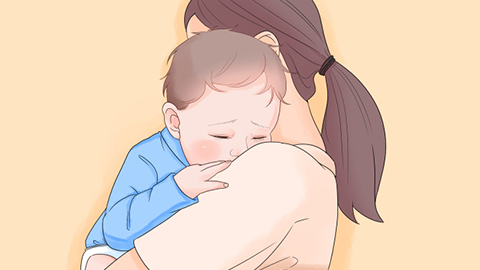
Bronchopneumonia in infants occurs more frequently during autumn and winter. Therefore, during these seasons, it is essential to ensure adequate warmth for infants. Clothing should be adjusted promptly according to ambient temperature changes, and appropriate protective measures should be taken when outdoors to reduce the risk of bacterial or viral infections.
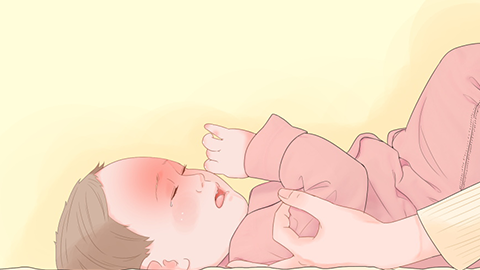
If bronchopneumonia symptoms are observed in an infant, prompt medical evaluation at a reputable hospital is crucial—delaying care increases disease-related risks. We hope this information has been helpful to you.




