


How to Use a Pregnancy Test Strip
Apr 14, 2022
Source: Cainiu Health

Dr. Lv Aiming
Introduction
To use the pregnancy test stick, tear open the aluminum foil packaging along the seam and remove the test stick. Put on the disposable plastic film glove provided with the box. Hold the test stick firmly by the handle end with your thumb, tilting the urine-absorbing end downward. Note: The test observation window must face downward, and the plum blossom pattern must also face downward.
More: Urinate directly onto the urine-absorbing aperture located on the side of the test stick, allowing the urine to enter through the aperture.
Many women experience delayed menstruation or worry about contraceptive failure and whether they might be pregnant—but are unsure how to use a pregnancy test strip. So, how exactly is a pregnancy test strip used?
How to Use a Pregnancy Test Strip
To use the pregnancy test strip, first tear open the aluminum foil packaging along the indicated seam and remove the test strip. Put on the disposable plastic film glove provided with the kit. Hold the test strip firmly by the handle end with your thumb, and tilt the urine-absorbing end downward. Ensure the observation window faces downward, with the plum-blossom pattern also facing downward. Next, urinate directly onto the urine-absorption aperture located on the side of the test strip, allowing urine to enter through this opening for 1–2 seconds. Be careful not to wet the observation window during urination—otherwise, the test may fail. Then, flip the test strip so that the observation window faces upward, and continue holding it at a slight angle. When you see the purple liquid begin to ascend across the observation window, a single purple line will appear within one minute—indicating pregnancy.

Results can be read after one minute. A negative result (i.e., no pregnancy) can be confirmed after three minutes. Results read after five minutes are invalid. Urine samples collected at any time of day are suitable for pregnancy testing; however, if pregnancy is suspected early, first-morning urine is recommended for optimal accuracy.
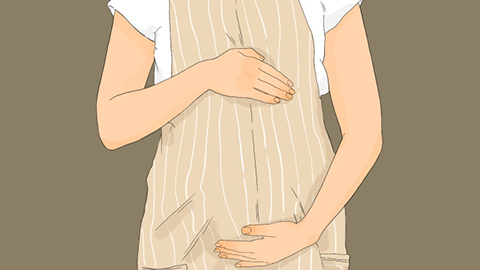
If a woman experiences delayed menstruation, she should consult a healthcare provider for further evaluation and confirmation. If the initial test result is negative, retesting after 2–3 days is advisable. We hope this information has been helpful.




