


What should I do if my baby becomes constipated after drinking formula milk?
Apr 14, 2022
Source: Cainiu Health

Dr. Ma Yan
Introduction
If a baby experiences constipation while consuming formula milk, you can give the baby an appropriate amount of water—such as warm water between two feedings—to help soften the stool. Gently massaging the baby’s abdomen regularly may promote intestinal motility and partially relieve constipation. Additionally, administering probiotics to the baby may help regulate digestive function.
In daily life, some mothers are unable to breastfeed their babies for various reasons. In such cases, infant formula becomes the baby’s primary source of nutrition after birth. However, some babies develop constipation after consuming formula. So, what should parents do if their baby experiences constipation while on formula?
What to Do If Your Baby Develops Constipation While on Formula
To help relieve constipation in formula-fed babies, you may offer small amounts of warm water between feedings to help soften stools. Gently massaging your baby’s abdomen regularly can also stimulate intestinal motility and alleviate constipation to some extent. Additionally, administering probiotics may help regulate digestive function, support the establishment of a healthy gut microbiota, and thereby ease constipation.
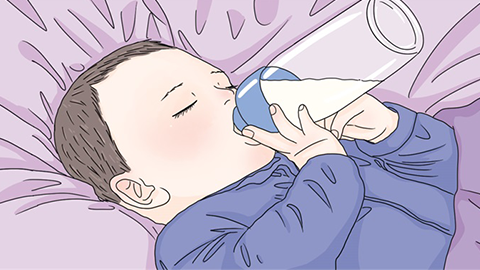
Moreover, supplementing with probiotics may improve stool consistency. Another often-overlooked cause is calcium supplementation—babies receiving calcium supplements may also experience constipation. If your baby is taking calcium, consider pausing supplementation temporarily and observe whether symptoms improve. Another possible reason is that your baby may be intolerant to cow’s milk-based formula, as most infant formulas are derived from cow’s milk.

Cow’s milk contains high levels of casein and calcium salts, which can coagulate into hard curds under gastric acid and become difficult to digest. Always prepare formula according to the manufacturer’s instructions—avoid making it overly concentrated. If your baby consistently develops constipation shortly after feeding, consider discontinuing the current formula for a period. When necessary, consult a healthcare provider to evaluate potential cow’s milk protein allergy or intolerance, and consider switching to an extensively hydrolyzed formula. We hope this information proves helpful!






