


Is the Rh blood type inherited?
Apr 14, 2022
Source: Cainiu Health

Dr. Li Man
Introduction
Rh Blood Type Inheritance: According to the genetic principles of the Rh blood group system, the Rh factor is controlled by a single gene pair located on chromosome 1, with two corresponding alleles. The Rh-positive (Rh⁺) allele is dominant, while the Rh-negative (Rh⁻) allele is recessive. If both parents are Rh-positive, their child may be either Rh-positive or Rh-negative. When one parent is Rh-positive and the other is Rh-negative, Rh-positive inheritance is highly probable.
The Rh blood group is a relatively rare blood type; thus, in daily life, some individuals often wonder whether blood type—including the Rh factor—is inherited. Is the Rh blood type inherited?
Is the Rh blood type inherited?
Yes, the Rh blood type is genetically inherited. According to the inheritance pattern of the Rh blood group system, Rh status is controlled by a single gene pair located on chromosome 1, with two alleles. The Rh-positive (Rh+) allele is dominant, whereas the Rh-negative (Rh−) allele is recessive. If both parents are Rh-positive, their child may be either Rh-positive or Rh-negative. If one parent is Rh-positive and the other Rh-negative, their child may be either Rh-positive or Rh-negative. If both parents are Rh-negative, their child will invariably be Rh-negative and cannot be Rh-positive.
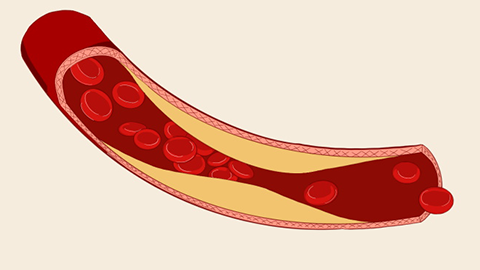
The Rh blood group system is a human blood typing system distinguished by the presence (“positive”) or absence (“negative”) of the Rh factor. An individual is classified as Rh-positive when their red blood cells express a specific antigen known as the D antigen.
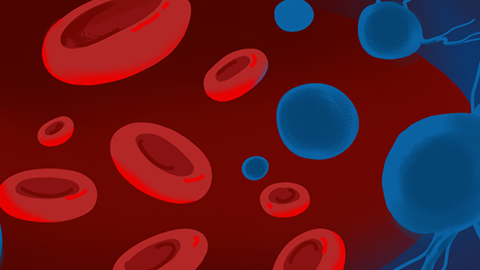
Conversely, an individual lacking the D antigen is classified as Rh-negative. The majority of people worldwide are Rh-positive. The Rh system is arguably the most complex of all red blood cell antigen systems, second only to the ABO blood group system in clinical significance. Rh-negative individuals must not receive blood from Rh-positive donors, because the D antigen present in Rh-positive blood can stimulate Rh-negative recipients to produce anti-Rh antibodies. Subsequent transfusion of Rh-positive blood may trigger a hemolytic transfusion reaction. We hope this explanation has been helpful!






