


First Aid for Scald Burns from Boiling Water
Apr 14, 2022
Source: Cainiu Health

Dr. Gan Liqiang
Introduction
Scalds from boiling water often cause blisters to form on the skin; therefore, prompt treatment and immediate cooling of the affected area are essential. Immediately after a scald, immerse the injured area in cool (not ice-cold) water to rapidly reduce skin temperature and minimize tissue damage. Typically, immersion should last 10–15 minutes. If blisters have formed, avoid rupturing them whenever possible. If the skin is already broken or damaged, maintain local wound cleanliness.
Warm boiled water is an essential liquid in daily life; however, improper handling can result in scald burns. If not treated promptly, such burns may leave scars or, in severe cases, lead to infection. What are the immediate first-aid measures for scald burns caused by boiling water?
Immediate First-Aid Measures for Scald Burns from Boiling Water
Scald burns from boiling water often cause blisters to form rapidly on the skin; therefore, prompt action—especially rapid cooling—is critical. Immediately immerse the affected area in cool (not ice-cold) running water or a cool-water bath to lower skin temperature and minimize tissue damage. This cooling process should generally last 10–15 minutes. If blisters have already formed, avoid rupturing them. If the skin is broken, maintain local cleanliness to prevent infection.
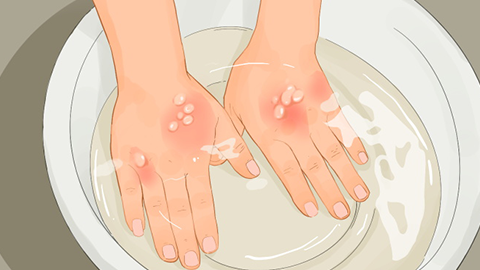
Many people have experienced panic and uncertainty after suffering flame or hot-water burns. It is advisable to keep basic burn ointments readily available at home for emergencies. Burns are injuries caused by various forms of heat—including flames, hot air, hot liquids (e.g., boiling water), and contact with hot objects. According to Traditional Chinese Medicine (TCM), “heat toxins” or “fire toxins” damage the skin: mild cases manifest as redness, blistering, and pain; severe cases involve ulceration of the skin and deeper tissues, exudation of tissue fluid, and even shock.

In fact, scald burns from boiling water are clinically identical to other thermal burns. In an emergency, the most effective self-help measure is immediate cooling with cold water. Rapid cold compresses or continuous cold-water irrigation—even for durations ranging from 20–30 minutes up to one or two hours—can significantly mitigate injury progression and may even provide some analgesic effect. Subsequently, seek professional medical evaluation and treatment at a hospital. We hope this information proves helpful.






