


What are the nutritional support measures for burns?
Nov 25, 2025
Source: Cainiu Health

Dr. Liu Wenmin
Introduction
In general, nutritional support for burn patients is important for wound healing and physical recovery, and mainly includes ensuring adequate energy supply, increasing intake of high-quality protein, supplementing vitamins and minerals, selecting appropriate nutritional routes, and following scientific dietary principles. Nutritional support for burn patients should be individually adjusted and dynamically optimized according to changes in clinical condition.
In general, nutritional support for burn patients is crucial for wound healing and overall recovery. It mainly includes ensuring adequate energy supply, increasing intake of high-quality protein, supplementing vitamins and minerals, selecting appropriate nutritional routes, and following scientific dietary principles. A detailed analysis is as follows:
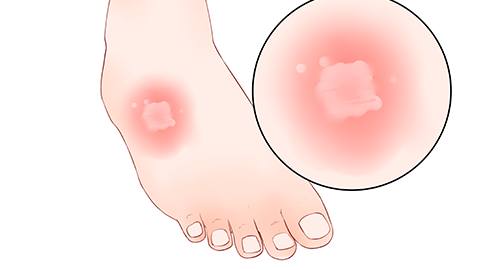
1. Ensure adequate energy supply: Energy expenditure increases sharply after burns, so intake should be adjusted according to the extent and severity of the burn. Energy primarily comes from carbohydrates and fats. Carbohydrates can be provided through staple foods such as rice and noodles, while healthy fats can be supplemented with plant oils and nuts.
2. Increase intake of high-quality protein: Protein is the key building block for tissue repair, promoting wound regeneration and enhancing immunity. High-quality protein sources such as eggs, milk, lean meat, fish, and shrimp should be prioritized. Severely burned patients may additionally take protein powder under medical guidance to ensure daily protein intake meets the demands of tissue repair.
3. Supplement vitamins and minerals: Vitamin C promotes collagen synthesis and accelerates wound healing; therefore, fresh fruits and vegetables such as oranges and spinach should be consumed regularly. B-complex vitamins play a role in energy metabolism, and deficiency may impair recovery; these can be obtained from whole grains and legumes.
4. Select appropriate nutritional routes: Patients with mild burns should primarily receive nutrition orally and be encouraged to eat independently. For moderate to severe burn patients who have difficulty eating, enteral nutrition support—such as delivering nutritional formulas via a nasogastric tube—can be used. If enteral nutrition is not tolerated, parenteral nutrition may be considered to ensure continuous nutrient delivery.
5. Follow scientific dietary principles: The diet should be light and easy to digest, avoiding spicy, irritating, and greasy foods to prevent increased gastrointestinal burden. A regimen of small, frequent meals is recommended to reduce the burden of each meal, while attention should also be paid to maintaining an appropriate food temperature.
Nutritional support for burn patients should be individually tailored and dynamically optimized based on changes in clinical condition. Adequate and balanced nutrition provides essential support for recovery and facilitates successful wound healing.





