Why Is My Baby’s Lips Dry?
Apr 15, 2022
Source: Cainiu Health

Dr. Ma Yan
Introduction
Causes of dry lips in babies may include dehydration, dry air, internal heat (“shanghuo”), deficiency of trace elements, or stimulation from wind and cold. Many mothers like to apply lip balm to their babies’ lips, believing it prevents chapping. However, the pigments and chemical bases in lip balms can absorb moisture from the lip mucosal cells, leading to dehydration of the salivary mucosal cells.
Chapped lips are a common symptom in daily life, characterized by dryness, pallor, cracking, and even erythema—potentially affecting both health and appearance. Although infants’ lips are especially delicate, they too can experience chapping. So, what causes chapped lips in babies?
What Causes Chapped Lips in Babies?
Chapped lips in infants may result from various factors, including dehydration, dry ambient air, internal “heat” (a traditional Chinese medicine concept referring to inflammatory or hypermetabolic states), deficiency of trace elements, or exposure to cold wind.
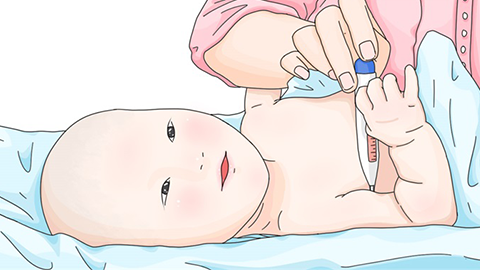
Many mothers routinely apply lip balm to their babies’ lips, believing this prevents chapping. However, the pigments and chemical bases in many lip balms can draw moisture out of the lip mucosal cells, leading to desiccation of the oral mucosa and resulting in dry, wrinkled lips. This discomfort often prompts babies to lick their lips instinctively. Saliva then spreads across the perioral skin and lip mucosa. Yet, uncontrolled licking does not alleviate discomfort—in fact, it further dries out the lip skin and mucosa.
The correct approach is to encourage babies to consume more fruits. If the lip balm appears dry and transparent, a thin layer of plant-based oil (e.g., olive or coconut oil) may be gently applied to moisturize the lips.

In daily life, ensure adequate intake of warm boiled water, and remind your baby to drink plain water regularly—especially upon waking and before bedtime—to maintain optimal hydration for the lips. Regarding diet, increase vitamin intake appropriately. Feed your baby light, low-sodium meals, and avoid fried or smoked foods, which are considered “heat-inducing” and may exacerbate internal heat. Parents may prepare nutrient-rich foods such as eggs, nuts, legumes, and fresh vegetables and fruits—particularly those high in vitamin C and vitamin B₂. Regular consumption of these foods helps maintain smooth, elastic skin and enhances resilience against dry climatic conditions.