


What Is the Difference Between Korean Ginseng and Red Ginseng?
Apr 21, 2022
Source: Cainiu Health
Dr. Ding Yu
Introduction
Red ginseng and Korean ginseng are two types of ginseng. They differ in physical form and price due to variations in processing, but their core functions are largely similar. Korean ginseng is traditionally used to replenish vital energy (Qi), nourish and strengthen the body, promote fluid production and alleviate thirst, and support heart health. Red ginseng, by contrast, is a processed (steamed and dried) form of ginseng. Compared with Korean ginseng, red ginseng exerts a more potent tonic effect, whereas Korean ginseng offers broader, more comprehensive benefits—nourishing and regulating multiple organ systems and physiological functions throughout the body.
Korean ginseng and red ginseng are both types of *Panax ginseng*, yet they differ in several key aspects. What, then, are the differences between Korean ginseng and red ginseng?
What Are the Differences Between Korean Ginseng and Red Ginseng?
Red ginseng and Korean ginseng are two distinct forms of ginseng. They differ in processing methods, physical appearance, and price, though their core therapeutic functions are largely similar. Korean ginseng is renowned for its ability to replenish vital qi, nourish and strengthen the body, generate fluids and quench thirst, and nourish the heart. In contrast, red ginseng is a processed (steamed and dried) form of ginseng.

Relatively speaking, red ginseng exerts a more potent tonic effect than Korean ginseng, whereas Korean ginseng offers broader, more comprehensive nourishment and regulation of various organs and physiological functions. In clinical practice, red ginseng is especially recommended for men with deficient yang qi—manifesting as erectile dysfunction, frequent urination, or general limb weakness—as it more effectively tonifies qi and blood and enhances physical strength and vitality.
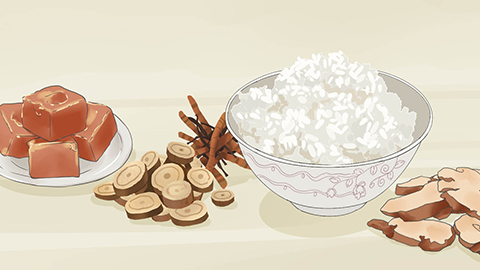
Korean ginseng is a highly valued traditional Chinese medicinal herb, available in multiple administration forms. However, decoction (boiling in water) yields the best therapeutic efficacy, allowing optimal extraction and bioavailability of its active constituents. Besides decoction, Korean ginseng may also be taken sublingually (held under the tongue), chewed directly, or ground into powder and mixed with hot water. It can also be used to prepare medicinal wines or teas, or incorporated into herbal-culinary dishes with chicken, duck, or fish. Korean ginseng possesses notable neuroprotective and cognitive-enhancing properties, as well as analgesic effects. Regular consumption helps improve overall physical constitution and bolster resistance to disease. In patients with diabetes, it may help lower blood glucose levels; it also aids in regulating blood pressure and alleviating fatigue. We hope this explanation proves helpful!







