


What to Do and How to Treat Diarrhea in an 8-Month-Old Baby
Apr 23, 2022
Source: Cainiu Health

Dr. Ma Yan
Introduction
An 8-month-old infant: If the child also experiences vomiting or fever, this is considered infectious—i.e., indicative of acute gastroenteritis. Therefore, if the child has diarrhea alone—without fever, with good mental status, and able to drink fluids and breastfeed—stool testing is recommended first to rule out bacterial enteritis, and probiotics should be administered.
The stool is watery; additionally, intestinal mucosal protective agents such as smectite powder may be used.
A baby’s good health contributes significantly to parents’ emotional well-being, while illness in the infant inevitably affects parental mood. What should you do—and how should you treat—diarrhea in an 8-month-old baby?
Managing and Treating Diarrhea in an 8-Month-Old Baby
In an 8-month-old infant, diarrhea accompanied by vomiting or fever is typically indicative of an infectious cause—most commonly acute gastroenteritis. If the baby has diarrhea alone—without fever, with good spirits, adequate oral intake (including breast milk or formula), and no signs of dehydration—initial steps include stool testing to rule out bacterial enteritis, followed by administration of probiotics. For watery stools, add an intestinal mucosal protectant such as smectite powder. During active diarrhea, discontinue solid foods (complementary feeding); however, milk (formula or expressed breast milk) and rice water remain acceptable. Avoid all other foods. After three days of diarrhea, complementary foods may be gradually reintroduced, and probiotics may be discontinued.
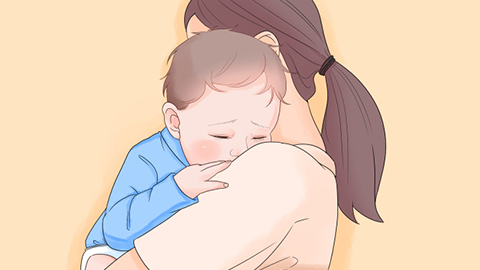
Diarrhea in 8-month-old infants is most commonly infectious but may also be non-infectious. Non-infectious diarrhea is often associated with environmental factors—such as cold or excessively hot weather—as well as dietary missteps. Sudden introduction of new complementary foods or irregular feeding patterns may also trigger diarrhea.

In daily care, dress your baby appropriately according to ambient temperature—adding or removing layers as needed. Ensure indoor air remains fresh by ventilating regularly—open windows frequently. We hope this information proves helpful.





