


What is the fastest method of using mugwort leaf to treat eczema?
Apr 24, 2022
Source: Cainiu Health

Dr. Gan Liqiang
Introduction
Moxa herb (Artemisia argyi) has the therapeutic effects of dispelling cold, relieving pain, warming the meridians, and stopping bleeding. It is particularly suitable for hemorrhage and abdominal pain caused by deficiency-cold patterns. It demonstrates notable efficacy in regulating menstrual disorders and alleviating menstrual abdominal pain in women. Additionally, it can treat lower abdominal cold pain, menstrual irregularities due to cold, uterine coldness leading to infertility, hematemesis, and vaginal bleeding during pregnancy. Beyond its ability to warm the meridians and stop bleeding, moxa herb also effectively dispels cold and relieves pain; therefore, it may also be used to treat cold-type epigastric or abdominal pain associated with spleen-stomach deficiency-cold.
Mugwort leaf (Artemisia argyi) is a commonly used traditional Chinese herbal medicine in clinical practice and is effective for treating various skin conditions, including eczema. So, what is the fastest method to treat eczema with mugwort leaf?
What is the fastest method to treat eczema with mugwort leaf?
The most common method for using mugwort leaf to treat eczema is external washing with a decoction. Typically, an appropriate amount of dried mugwort leaf is added to 2,000 mL of cold water, soaked for 30 minutes, then brought to a boil over high heat and simmered gently for an additional 20 minutes. After straining out the herb residue, the warm decoction can be used to wash the affected area. For acute eczema accompanied by skin edema and exudation, oral administration of the mugwort decoction may help reduce swelling and exudation. For subacute or chronic eczema, both oral administration and topical washing are recommended. During treatment, a light, bland diet is advised.
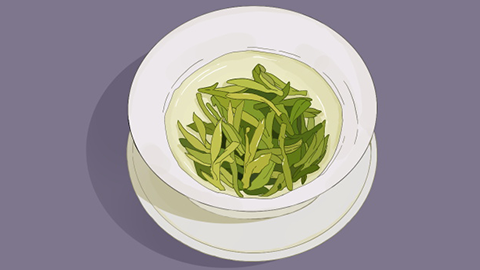
Mugwort possesses the therapeutic effects of dispelling cold, relieving pain, warming the meridians, and stopping bleeding. It is particularly suitable for hemorrhage and abdominal pain caused by deficiency-cold patterns. It demonstrates notable efficacy in regulating irregular menstruation and alleviating menstrual cramps in women. Additionally, it can treat lower abdominal cold pain, menstrual disorders due to cold, uterine coldness leading to infertility, hematemesis, and vaginal bleeding during pregnancy. Beyond its ability to warm the meridians and stop bleeding, mugwort also effectively dispels cold and relieves pain—thus, it may also be used to treat cold-type epigastric or abdominal pain.
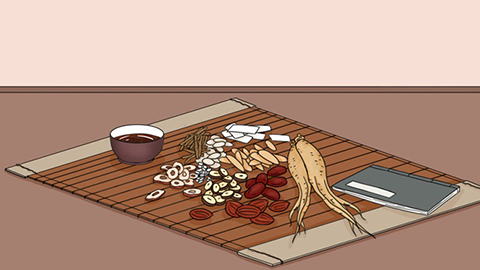
To prevent eczema, pay attention to dietary habits: avoid overly spicy, stimulating, or greasy foods; limit consumption of seafood; and abstain from smoking, alcohol, strong tea, and coffee—all of which may contribute to excessive internal dampness. Maintain good personal hygiene, change and wash clothes and undergarments regularly, and schedule routine follow-up visits at the hospital. We hope this information proves helpful to you!



