


Itchy skin with red bumps—what could this be?
Apr 24, 2022
Source: Cainiu Health

Dr. Gan Liqiang
Introduction
If the patient confirms that their eczema is allergy-induced, cetirizine hydrochloride tablets may be used to treat allergic eczema. However, if other medications effectively control the patient’s allergies, antiallergic drugs of this type are not recommended. Dietary and lifestyle management during treatment are critically important; patients should modify their habits as directed by their physician.
Eczema is a very common skin disorder that causes symptoms such as intense itching and rash formation. If eczema develops, avoid scratching the affected area—scratching may break the skin and worsen the condition. Prompt medical treatment is essential. So, can cetirizine hydrochloride tablets treat eczema?
Can cetirizine hydrochloride tablets treat eczema?
If eczema is confirmed to be allergy-induced, cetirizine hydrochloride tablets may be used to treat allergic eczema. However, if other medications effectively control the patient’s allergic symptoms, it is generally not advisable to use this antihistamine. Proper dietary and lifestyle management during treatment is critically important; patients should adjust their daily habits under the guidance of their physician.
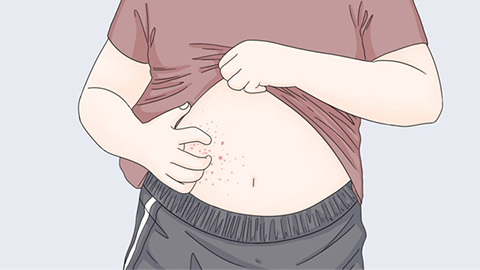
Eczema is an inflammatory condition affecting both the epidermis and superficial dermis, triggered by multiple internal and external factors. Its exact etiology remains unclear but may involve the following:
Internal factors: Chronic infectious foci (e.g., chronic cholecystitis, tonsillitis, parasitic infections); endocrine and metabolic changes (e.g., menstrual disorders, pregnancy); circulatory disturbances (e.g., varicose veins in the lower limbs); psychological stress; and genetic predisposition—particularly related to individual susceptibility.
External factors: Food allergens (e.g., fish, shellfish, beef, mutton); inhalants (e.g., pollen, house dust mites); environmental conditions (e.g., excessive heat); animal dander; and various chemical irritants or sensitizers (e.g., cosmetics, soaps, synthetic fibers) that may trigger or exacerbate eczema.
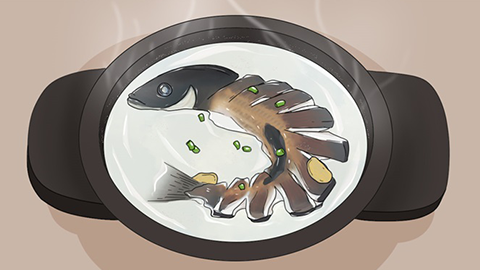
Patients with eczema must maintain regular sleep patterns and avoid staying up late. Dietarily, they should strictly avoid all spicy, stimulating, or allergenic foods and beverages. We hope this information proves helpful!




