


How to Differentiate Eczema from Dyshidrotic Eczema
Apr 25, 2022
Source: Cainiu Health

Dr. Gan Liqiang
Introduction
Herpes and eczema are two entirely distinct diseases. They differ significantly in terms of etiology, pathogenesis, clinical manifestations, treatment, and recovery. Herpes is a viral infection primarily caused by herpes simplex virus (HSV) or varicella-zoster virus (VZV). It is contagious and mainly manifests as vesicles on the skin and mucous membranes.
Most patients are unaware of how to distinguish between eczema and dyshidrotic eczema—and whether these conditions are of equal severity. In fact, many patients are relatively unfamiliar with both diseases. So, how can eczema and dyshidrotic eczema be differentiated?
How to Differentiate Eczema from Dyshidrotic Eczema
Herpes and eczema are two entirely distinct diseases. They differ significantly in etiology, pathogenesis, clinical manifestations, treatment approaches, and prognosis. Herpes is a viral infection—primarily caused by herpes simplex virus (HSV) or varicella-zoster virus (VZV)—and is contagious. Its hallmark clinical feature is the appearance of vesicles on the skin and mucous membranes. Treatment typically involves systemic antiviral medications administered orally, yet recurrences are common. In contrast, eczema is an allergic disorder triggered by a combination of internal and external factors and is non-contagious.
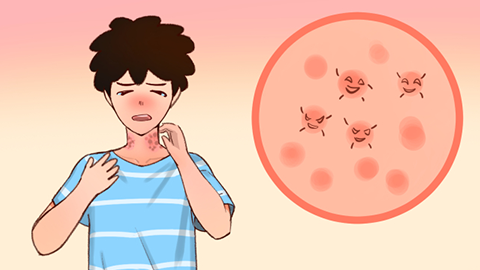
Eczema commonly presents as 1–10 small papules, vesicles, or tiny blisters, densely distributed as millet-sized papules or minute vesicles over an erythematous base. Second, due to intense pruritus, patients often scratch affected areas—including papules, vesicles, and other lesions—leading to persistent serous exudation. This exudate frequently soaks through undergarments and may result in erosions. Moreover, local irritants such as hot soapy water or scratching can exacerbate skin damage, while alcohol consumption, insomnia, and emotional stress may also worsen the condition.
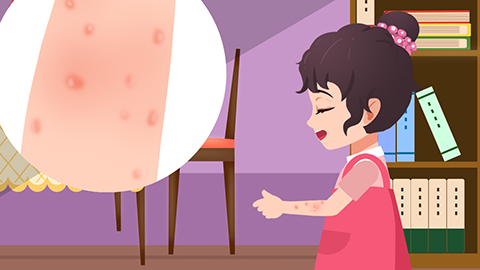
When patients develop either eczema or dyshidrotic eczema, active cooperation with their physician is essential to prevent disease progression. In daily life, adequate rest and a light, bland diet are recommended. We hope this information proves helpful to you!



