


What should I do about eyelid twitching?
Apr 25, 2022
Source: Cainiu Health

Dr. Chen You
Introduction
Most patients with eyelid twitching experience mild symptoms, which may be associated with poor eye-use habits, visual fatigue, or mental stress. Adequate rest, relaxation, and reduced screen time (e.g., smartphones and computers) are recommended. In most cases, symptoms improve spontaneously. If symptoms persist or fail to improve, a detailed ophthalmologic evaluation at an outpatient eye clinic is warranted. Additionally, ocular surface disorders should be ruled out during routine assessment.
Most people experience eyelid twitching—a common symptom that, when severe, can impair work performance. What should you do if you experience eyelid twitching?
What to Do for Eyelid Twitching
In most cases, eyelid twitching is mild and may be associated with poor eye habits, visual fatigue, or mental stress. Adequate rest, relaxation, and reduced screen time (e.g., less use of smartphones and computers) often suffice for self-management and symptom improvement. If symptoms persist or worsen, a comprehensive ophthalmologic evaluation at an outpatient clinic is recommended. Concurrently, rule out ocular surface disorders—such as trichiasis (in-turned eyelashes), conjunctival concretions (conjunctival stones), or blepharitis—and initiate appropriate treatment if diagnosed.
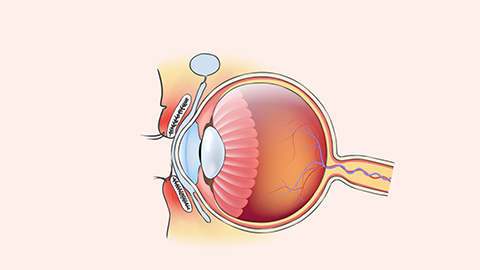
If standard ophthalmologic examination reveals no significant abnormalities, acupuncture targeting periorbital acupoints may be beneficial, alongside neurotrophic medications. In select cases, anticonvulsant or neuromodulatory agents that suppress aberrant neural impulses may accelerate recovery. For recurrent or refractory eyelid spasms, botulinum toxin A injection should be considered. Eyelid twitching refers to involuntary, rhythmic contractions or “jumping” of the eyelid muscles. It may involve either the upper or lower eyelid and is commonly referred to as “eyelid spasm.”
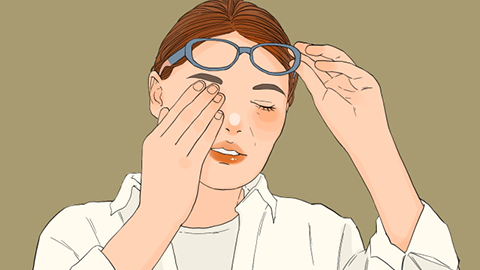
Ocular conditions—including trichiasis, conjunctivitis, keratitis, myopia, astigmatism, and other ocular infections—can stimulate local nerve endings, triggering localized twitching, typically confined to either the upper or lower eyelid. Neurological disorders—including intracranial tumors, peripheral neuropathies, or facial nerve palsy—may cause more widespread involvement, such as hemifacial spasm or even facial asymmetry (e.g., mouth deviation). We hope this information proves helpful!




