


How to manage elevated aspartate aminotransferase (AST) levels
Apr 25, 2022
Source: Cainiu Health

Dr. Jin Zhongkui
Introduction
Elevated aspartate aminotransferase (AST) levels can be managed with hepatoprotective and enzyme-lowering medications. Oral options include compound glycyrrhizin tablets or hepatoprotective agents such as Ganbao tablets or Hepatol (glutathione). The most common cause of elevated transaminases is chronic viral hepatitis, which—when persistent—leads to hepatocyte injury and impaired liver function. If oral therapy proves inadequate, intravenous administration of hepatic hydrolyzed peptide may be considered.
In daily life, many individuals exhibit elevated aspartate aminotransferase (AST) levels. When this occurs, prompt medical consultation and timely treatment are essential to prevent disease progression. How should elevated AST be managed?
Management of Elevated Aspartate Aminotransferase (AST)
Elevated AST can be addressed with enzyme-lowering medications. Oral administration of compound glycyrrhizin tablets or hepatoprotective agents—such as Ganbao tablets or Hepatol (glutathione)—may be considered. The most common cause of elevated transaminases is chronic viral hepatitis, which, if left untreated over time, leads to hepatocyte injury and impaired liver function. If oral therapy proves inadequate, intravenous administration of hepatic hydrolyzed peptide may be employed, along with appropriate vitamin supplementation. During treatment, patients must strictly avoid tobacco and alcohol exposure, ensure adequate rest, avoid excessive physical exertion, and engage in moderate physical exercise.
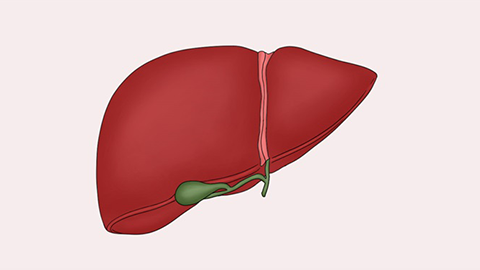
The primary manifestations of elevated transaminases include severe right upper quadrant abdominal pain, accompanied by loss of appetite, generalized fatigue, anorexia, nausea, vomiting, and jaundice (yellowing of the sclera). Additional signs may include hepatomegaly with tenderness on palpation or percussion, palmar erythema, and spider angiomas. Patients with elevated transaminases must not self-administer enzyme-lowering drugs indiscriminately; treatment must be guided by a qualified hepatologist to ensure appropriate and rational drug use, thereby minimizing risks of drug resistance and therapeutic errors.

Upon experiencing these symptoms, prompt medical evaluation is necessary. A physician will formulate an individualized treatment plan based on the patient’s specific clinical condition. Additionally, patients should prioritize adequate rest in daily life. We hope this information is helpful to you!




