


Symptoms of Skin Inflammation
Apr 25, 2022
Source: Cainiu Health

Dr. Liu Wan
Introduction
Contact dermatitis is triggered by exposure to exogenous substances. When the exogenous substance is a primary irritant, onset is relatively rapid and, in addition to pruritus, may be accompanied by burning or stinging sensations. In contrast, when the exogenous substance is a contact allergen, onset is delayed, and stinging symptoms are typically milder than those caused by primary irritants. Regarding anatomical distribution, dermatitis occurring on thin, delicate skin areas—such as the face or flexural regions—typically presents initially with erythema and pruritus.
Dermatitis is a general term for acute and chronic inflammatory skin reactions triggered by various causes. Pruritus (itching) is the hallmark symptom of all types of dermatitis; however, depending on the underlying cause, affected anatomical site, and disease duration, characteristic differences may be observed in the nature of the pruritus and associated symptoms. So, what are the symptoms of skin inflammation?
Symptoms of Skin Inflammation
Contact dermatitis is induced by exposure to exogenous substances. When the offending agent is a primary irritant, onset is typically rapid; in addition to pruritus, patients may experience burning or stinging sensations. In contrast, when the causative agent is a contact allergen, onset is delayed, and stinging is generally milder compared with that caused by primary irritants.
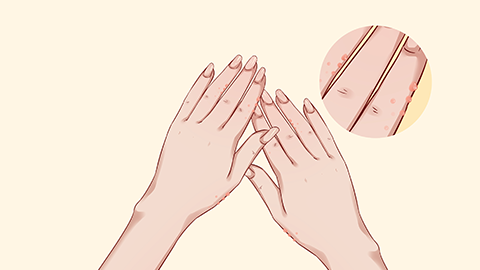
Regarding anatomical distribution: dermatitis affecting thin, delicate skin areas usually begins with erythema and pruritus, progressing later to vesicles, erosion, and exudation. Conversely, dermatitis involving thick, hyperkeratotic areas commonly presents with scaling, fissuring, and hyperkeratosis as accompanying features of pruritus. With respect to disease course: acute dermatitis typically has a rapid onset; during active progression, intense pruritus is frequently accompanied by erythema, edema, and inflammatory exudation. Chronic dermatitis, meanwhile, is characterized not only by pruritus but also by marked lichenification (skin thickening and induration) and hyperplasia.

Furthermore, dermatitis primarily driven by exogenous factors tends to be localized, whereas dermatitis predominantly mediated by endogenous factors often exhibits symmetrical involvement and a tendency toward widespread dissemination. We hope this information is helpful to you!




