


What Are the Symptoms of Eczema and Dermatitis?
Apr 25, 2022
Source: Cainiu Health

Dr. Liu Wan
Introduction
Clinically, eczema can be categorized into acute, subacute, and chronic forms. In acute dermatitis and eczema, patients commonly present with erythematous papules and papulovesicles. In severe cases, punctate erosion, exudation, and even crusting may occur. Subacute eczema typically evolves from acute eczema and may manifest as erythematous papules or maculopapules, often accompanied by scaling or crusting.
Eczema significantly impacts patients’ work and daily life. As there are many types of eczema, patients must select appropriate, individualized treatment strategies to achieve optimal therapeutic outcomes. Eczema presents with a wide range of symptoms—so what are the characteristic manifestations of eczematous dermatitis?
What Are the Symptoms of Eczematous Dermatitis?
Clinically, eczema is categorized into acute, subacute, and chronic forms. In acute dermatitis and eczema, patients commonly develop erythematous papules and vesicles. Severe cases may exhibit punctate erosion, exudation, and even crusting. Subacute eczema typically evolves from acute eczema and manifests as erythematous papules or maculopapules, often accompanied by scaling or crusting. Chronic eczema usually develops from either acute or subacute eczema; lesions appear as dusky red or brownish-red maculopapules, with surface scaling, excoriations, and sometimes lichenification.
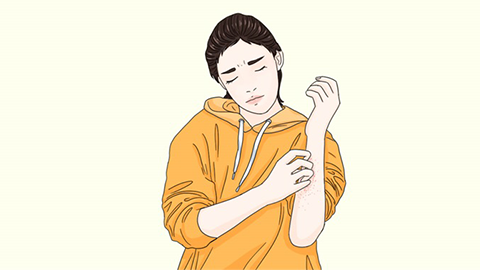
Generally, eczema is a recurrent, allergic, inflammatory skin disorder characterized by polymorphic rashes, symmetrical distribution, intense pruritus, and a tendency to become chronic. It can occur at any age, in any anatomical location, and during any season—though it frequently recurs or worsens in winter. The disease course is typically chronic and prone to relapse.
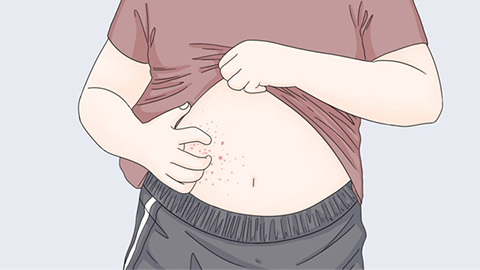
Understanding common signs and symptoms of dermatitis and eczema is essential for everyday health awareness. Early detection and prompt treatment are crucial, along with proactive preventive measures and lifestyle adjustments. We hope this information proves helpful to you!



