


How to treat eczema with fissures on the hands
Apr 25, 2022
Source: Cainiu Health

Dr. Liu Wan
Introduction
If eczema develops on the hands or if dry, cracked skin appears, prompt treatment with anti-inflammatory, antiallergic, and antipruritic medications is recommended; allergen testing may be necessary when indicated. Eczema treatment may involve topical medications alone or in combination with oral anti-inflammatory and antiallergic agents—for example, topical fluticasone, vitamin B6 cream, compound creams, and oral loratadine tablets.
The fingers and hands are the most common sites for eczema, as they frequently come into contact with various substances and undergo substantial physical activity. So, how should cracked eczema on the hands be treated?
How to Treat Cracked Hand Eczema
When eczema develops or dry fissures appear on the hands, prompt treatment with anti-inflammatory, antiallergic, and antipruritic medications is recommended. Allergen testing may be necessary in some cases. Treatment options include topical medications alone or in combination with oral anti-inflammatory and antiallergic agents—for example, topical fluocinonide cream, vitamin B6 ointment, or compound ointments, along with oral loratadine tablets, cetirizine tablets, or promethazine tablets. Actively identifying and eliminating potential triggers can effectively alleviate symptoms and reduce the risk of recurrence. Allergen testing may be warranted when clinically indicated.
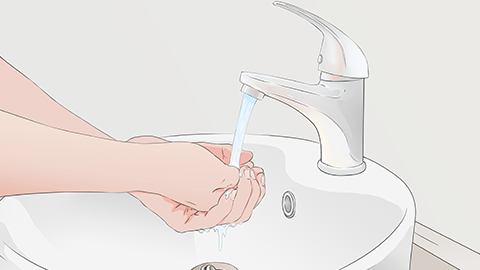
Topical corticosteroid ointments (e.g., PREDNISOLONE CREAM) combined with oral antihistamines (e.g., loratadine, one tablet daily) are typically first-line treatments. However, if scaling accompanies hand eczema—suggesting secondary fungal infection—antifungal therapy should be added. Topical terbinafine (Lamisil®) or miconazole (Micatin®) ointments may be used, alongside oral loratadine or ebastine. In severe cases—particularly severe xerotic (dry) eczema with fissuring—topical mucopolysaccharide polysulfate cream (e.g., Hirudoid®) may be applied to promote epidermal repair and wound healing.
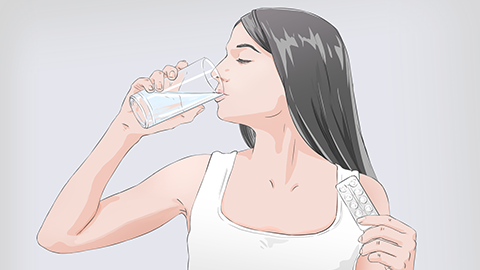
Prompt application of appropriate topical medication is essential upon onset of hand eczema to control inflammation and microbial proliferation. Additionally, patients should maintain a light, non-irritating diet and avoid spicy or otherwise stimulating foods. We hope this information proves helpful!



