


How to Completely Cure Anal Eczema
Apr 26, 2022
Source: Cainiu Health

Dr. Liu Wan
Introduction
There is no definitive cure for any type of eczema, including perianal eczema. Eczema is an inflammatory condition affecting the superficial dermis and epidermis, with an etiology that remains unclear and is thought to result from multiple internal and external factors. Importantly, eczema is non-infectious—no pathogen is involved—and does not induce lasting protective antibodies; therefore, it cannot be cured permanently. However, the absence of a definitive cure does not mean the condition is untreatable. With appropriate, proactive management—including daily skin care—the frequency of eczema flare-ups can be effectively reduced.
In daily life, some individuals develop perianal eczema, causing significant physical discomfort and severely affecting both their quality of life and work performance. Many patients seek a complete cure. So, how can perianal eczema be completely cured?
Can Perianal Eczema Be Completely Cured?
There is currently no definitive cure for any type of eczema—including perianal eczema. Eczema is an inflammatory condition affecting the epidermis and superficial dermis, with its exact etiology still unclear and thought to involve multiple internal and external factors. Importantly, eczema is non-infectious (no pathogen is involved), and it does not induce long-lasting protective antibodies; therefore, a true “cure” remains unattainable. However, the absence of a definitive cure does not mean the condition cannot be effectively managed. With appropriate, proactive treatment—including consistent daily care—the frequency of eczema flares can be significantly reduced. Identifying and eliminating or minimizing known triggers and exacerbating factors can help decrease flare-ups—or even prevent them altogether—thereby achieving functional remission in many cases.
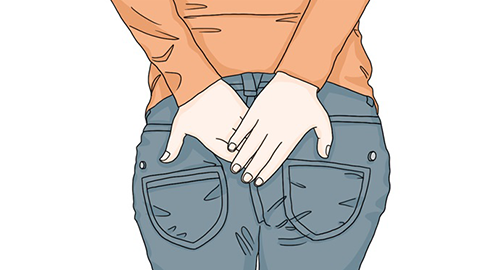
Treatment options for eczema vary depending on the patient’s age and the severity of the lesions. In children—whose skin is thinner—weak-potency topical corticosteroids such as hydrocortisone butyrate, lauric acid (dodecanoic acid), or pimecrolimus cream are recommended. Once symptoms improve, these may be switched to non-steroidal calcineurin inhibitors. In adults with thickened, chronic lesions, moderate-to-strong potency topical corticosteroids may be used initially, followed by calcineurin inhibitors—such as tacrolimus or pimecrolimus—upon clinical improvement. These latter agents are applied topically.
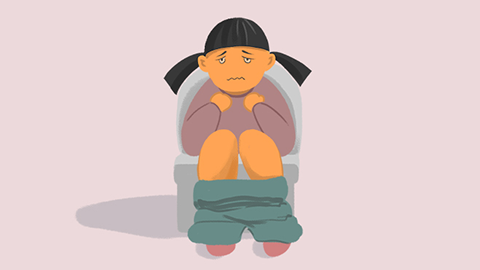
Patients should maintain cleanliness and hygiene around the perianal area. Avoid washing with soap or using irritating medications for sitz baths or fumigation, as these may worsen pruritus. Additionally, establishing regular, healthy bowel habits—and ensuring smooth, unstrained defecation—is essential. We hope this information proves helpful.



