


What Are the Benefits of Drinking Milk Regularly for the Skin?
Apr 27, 2022
Source: Cainiu Health

Dr. Liu Wenmin
Introduction
Regular consumption of milk may benefit the skin by enhancing elasticity, soothing irritation, cleansing, moisturizing, and improving complexion—though intake should be moderate. The primary proteins in milk are casein and whey protein, which supply essential nutrients to the skin and thereby support the repair and regeneration of skin cells.
Regular consumption of milk may benefit the skin by enhancing elasticity, soothing irritation, cleansing, moisturizing, and improving complexion—though intake should be moderate.
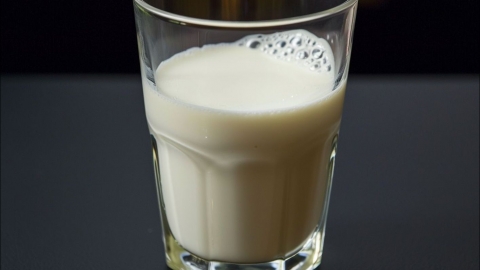
1. Enhances Skin Elasticity
Milk contains primarily casein and whey proteins. These proteins supply essential nutrients to the skin, supporting the repair and regeneration of skin cells. Additionally, they help maintain the normal function of elastic fibers and collagen, thereby reducing wrinkle formation and keeping the skin firm and supple.
2. Soothes the Skin
Milk possesses natural soothing properties. Its fat and protein components can, to some extent, alleviate inflammatory responses in the skin, offering relief for mild skin allergies, sunburn, and similar conditions.
3. Cleanses the Skin
Lactic acid—a natural, gentle exfoliant found in milk—helps remove accumulated dead keratinocytes from the skin’s surface, unclog pores, and leave the skin cleaner and more translucent. It also promotes cellular turnover.
4. Moisturizes the Skin
Milk is rich in lactose, proteins, and fats, which collectively form a protective film on the skin’s surface, preventing transepidermal water loss and maintaining hydration. This is especially beneficial during dry seasons, helping to alleviate dryness and flakiness.
5. Improves Complexion
Milk contains various vitamins that regulate epidermal and stratum corneum metabolism and promote collagen synthesis, resulting in smoother, finer-textured skin. Vitamin B₂ (riboflavin), in particular, participates in cellular redox reactions, helping to reduce dullness and brighten the complexion for a more radiant appearance.
In daily life, it is advisable to consume milk in moderation according to individual needs—avoiding excessive intake. Maintaining proper skin hygiene also contributes significantly to overall skin health.



