


How many days after intercourse does conception occur?
Apr 27, 2022
Source: Cainiu Health

Dr. Chen Zhe
Introduction
Under normal circumstances, implantation and conception occur approximately one week after intercourse. Conception refers to the process whereby the fertilized egg travels into the uterine cavity and embeds itself into the endometrium to continue development—a process that typically takes about 6–8 days following intercourse. If sperm successfully fertilizes the egg but pregnancy does not proceed, menstruation usually begins around 10–14 days after intercourse. This is termed a biochemical pregnancy. Pregnancy can be confirmed by measuring serum hCG levels approximately 8 days after intercourse.
After marriage, most couples eagerly look forward to having a baby. The likelihood of conception is significantly higher during the ovulation period. So, how many days after intercourse does conception occur?
How many days after intercourse does conception occur?
Typically, implantation—the first step in conception—occurs about one week after intercourse. Conception refers to the process whereby the fertilized egg travels into the uterine cavity and embeds itself into the endometrium to continue developing; this entire process generally takes approximately 6–8 days following sexual intercourse. If sperm successfully fertilizes the egg but implantation fails, menstruation usually begins around 10–14 days after intercourse—a phenomenon known as “biochemical pregnancy.” Once successful implantation occurs, the embryo begins secreting substantial amounts of human chorionic gonadotropin (hCG); thus, blood hCG testing performed approximately eight days after intercourse can reliably confirm pregnancy.
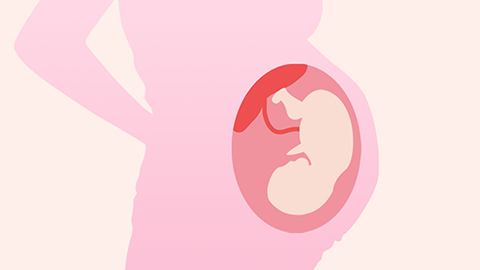
The optimal window for conception is the three days before and the three days after ovulation. Typically, women enter their ovulation phase about one week after the end of menstruation. Ovulation day is defined as the day occurring 14 days prior to the onset of the next menstrual period. The ovulation period spans a total of 10 days: five days before ovulation, the day of ovulation itself, and four days afterward. Although a released egg remains viable for 24–48 hours, the highest probability of conception occurs within the first 24 hours post-ovulation. Sperm, meanwhile, remain viable for 1–3 days.

Therefore, the highest probability of successful fertilization—and thus the optimal time for conception—falls within the three days before and the three days after ovulation. We hope this information proves helpful!





