


Can women with gestational diabetes drink fresh mango juice?
Apr 27, 2022
Source: Cainiu Health

Dr. Pan Yongyuan
Introduction
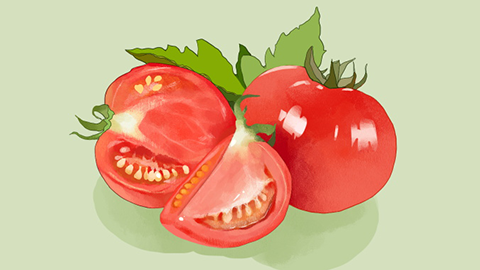
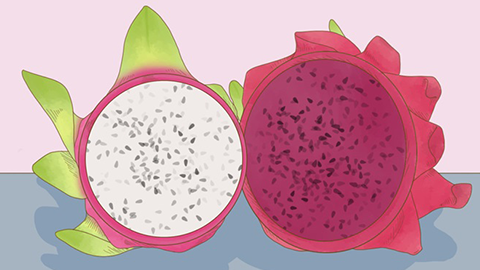
It is best to avoid eating mangoes during pregnancy. Mangoes are a high-sugar, “heat-inducing” food that may exacerbate gestational diabetes and elevate blood glucose levels. If diabetic symptoms develop during pregnancy, strict dietary control is essential—particularly avoiding high-sugar foods. Low-sugar alternatives such as tomatoes, cucumbers, dragon fruit, and strawberries may be consumed in moderation.
With the improvement of material living standards today, diets have become increasingly diverse. Unhealthy eating habits during pregnancy can trigger gestational diabetes mellitus (GDM). Although this condition typically resolves after delivery, the hyperglycemic environment may adversely affect fetal growth and development and increase risks such as difficult labor and preterm birth. So, can women with gestational diabetes drink fresh mango juice?
Can women with gestational diabetes drink fresh mango juice?
It is generally advisable for pregnant women to avoid eating mangoes altogether. Mangoes are considered a “heat-inducing” food with high sugar content, which may exacerbate symptoms of gestational diabetes and elevate blood glucose levels. Women diagnosed with gestational diabetes must strictly manage their diet and avoid high-sugar foods. Instead, they may consume low-sugar options in moderation—such as tomatoes, cucumbers, dragon fruit, and strawberries—as well as nutrient-rich foods like milk, lean meat, and egg yolks. It is recommended to minimize or avoid staple carbohydrates—including rice and steamed buns—as their high carbohydrate content can cause blood glucose spikes. Management of gestational diabetes should be individualized based on each woman’s constitution and blood glucose levels, with careful dietary planning to prevent adverse effects of hyperglycemia on the fetus.
Nausea and vomiting are common physiological symptoms during early pregnancy. However, if these symptoms persist beyond the fourth or fifth month—or worsen progressively—it may signal gestational diabetes. GDM can induce severe nausea and vomiting; in extreme cases, it may lead to dehydration and electrolyte imbalances, thereby jeopardizing both maternal and fetal health.
Gestational diabetes poses significant risks to both mother and fetus; therefore, it must not be overlooked. Early detection and timely intervention are crucial. We hope this article provides helpful guidance!




