


What medication can help relieve a baby’s runny nose and nasal congestion quickly?
Apr 29, 2022
Source: Cainiu Health

Dr. Xie Zixing
Introduction
During the initial stage of a runny nose, children typically remain in good general condition without recurrent fever; symptoms can often be improved by drinking plenty of plain water and enhancing warmth-protection measures. However, if the child appears unwell—such as exhibiting lethargy, fever, and loss of appetite—medication may be required for symptomatic relief. In such cases, drug therapy should be administered according to the underlying cause and strictly following the physician’s prescription.
When an infant develops nasal congestion and rhinorrhea (runny nose), it is essential to accurately diagnose the underlying cause and administer targeted, symptom-specific medication to alleviate the child’s symptoms. What medications are most effective—and work quickly—for relieving nasal congestion and rhinorrhea in infants?
What Medications Are Most Effective—and Work Quickly—for Nasal Congestion and Rhinorrhea in Infants?
In the early stage of nasal congestion and rhinorrhea, infants typically remain in good general condition without recurrent fever. Symptoms may improve with increased intake of plain water and enhanced warmth protection. However, if the infant appears unwell—manifesting lethargy, fever, and poor appetite—pharmacologic intervention becomes necessary to relieve symptoms. In such cases, treatment must be guided by the underlying cause and prescribed by a physician. Commonly used medications include nasal irrigation solutions and nasal sprays, antipyretics, traditional Chinese patent medicines, antihistamines, and antiviral agents.
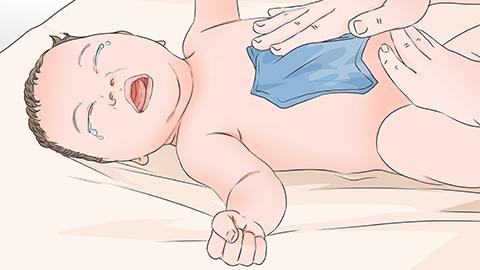
Under a physician’s guidance, infants with nasal congestion and rhinorrhea may use nasal irrigation solutions or nasal sprays—such as saline (sea salt) solution or oxymetazoline hydrochloride nasal spray—to maintain nasal patency. If the infant develops fever alongside nasal congestion and rhinorrhea—with body temperature exceeding 38.5°C—an appropriate antipyretic may be administered to reduce discomfort.
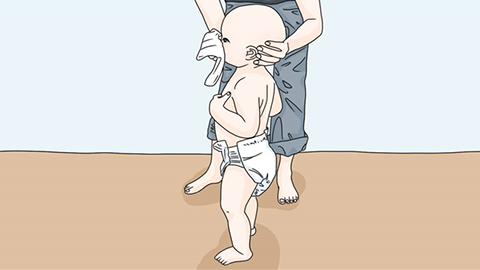
For nasal congestion and rhinorrhea caused by upper respiratory tract infections, certain traditional Chinese patent medicines may be considered—for example, Xiao Er Zhi Qiao Qing Re Ke Li (Pediatric Nasal Decongestant and Heat-Clearing Granules) or Jian Er Qing Jie Ye (Pediatric Detoxifying and Heat-Clearing Liquid). For older children with allergic rhinitis-induced nasal congestion and rhinorrhea, in addition to nasal cleansing, antihistamines may be used under medical supervision to alleviate symptoms. Importantly, all medications for infants with nasal congestion and rhinorrhea must be administered strictly under a physician’s guidance; self-medication should be avoided to prevent adverse drug reactions. A diet consisting of easily digestible foods and adequate rest are also recommended. We hope this information proves helpful!






