


What should I do if my baby is allergic to infant formula?
May 05, 2022
Source: Cainiu Health

Dr. Liu Wan
Introduction
The primary reason a baby is allergic to infant formula is that the child’s gastrointestinal tract has not yet fully matured—specifically, the intestinal mucosal barrier is underdeveloped, and the immune system is also not fully matured. This point warrants special attention: cow’s milk protein allergy in infants is *not* caused by low immunity; rather, it may result from an overactive or imbalanced immune response.
In today’s society, some women opt for formula feeding after childbirth to maintain a slim figure. What should be done if the baby develops an allergy to infant formula?
What to Do If Your Baby Is Allergic to Formula
Formula allergy in infants primarily stems from immature intestinal development—specifically, an underdeveloped intestinal mucosal barrier and an incompletely matured immune system. Importantly, cow’s milk protein allergy (CMPA) is not caused by low immunity; rather, it may reflect an overactive or imbalanced immune response. For affected infants, the only effective management strategy is to modify the type of milk protein consumed. Currently, commercially available infant formulas are categorized—based on the size of their protein molecules—into four main types: intact (whole) protein formula, partially hydrolyzed protein formula, extensively hydrolyzed protein formula, and amino acid–based formula.
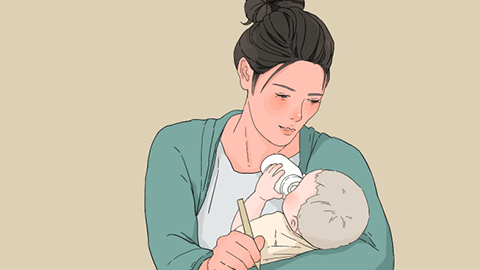
The majority of affected children are allergic to large-molecule intact protein formulas. As the protein molecules become progressively smaller across these four formula categories, their allergenic potential correspondingly decreases—i.e., higher-tier formulas carry a lower risk of allergic reactions. However, as protein molecules are increasingly broken down, the taste of the formula deteriorates, making it less palatable and more difficult for infants to accept.
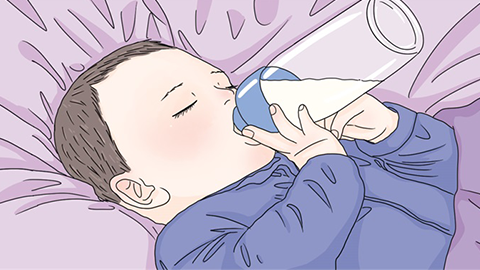
Therefore, current recommendations suggest initiating infants—especially those at high risk (e.g., infants with parents who have clear allergic diseases)—on partially hydrolyzed protein formula soon after birth, ideally during the first feeding, even before exclusive breastfeeding begins. We hope this information proves helpful!






