


What should I do if my face is allergic to cosmetics?
May 05, 2022
Source: Cainiu Health

Dr. Liu Wan
Introduction
For facial cosmetic allergies, the first step is to promptly discontinue contact with the allergen and thoroughly wash off any residual cosmetics from the face. Topical application of mild corticosteroid ointments—such as hydrocortisone ointment or Elocom (mometasone furoate) ointment—may be used to alleviate allergic skin reactions. Concurrently, oral antihistamines—such as cetirizine or ebastine—can be taken to relieve itching.
Many patients use cosmetics to enhance their overall appearance, but this may trigger allergic reactions—leaving them unsure how to treat the condition. What should one do if experiencing a cosmetic allergy on the face?
What to Do for Facial Cosmetic Allergy
The first step in managing facial cosmetic allergy is to immediately discontinue contact with the allergen and thoroughly cleanse any residual cosmetics from the face. Begin with frequent cold compresses and moist compresses applied to the affected area: cold compresses help alleviate inflammatory symptoms such as facial redness and itching, while moist compresses prepare the skin for topical treatment. Subsequently, apply a mild topical corticosteroid ointment—such as hydrocortisone ointment or Elocon (mometasone furoate) ointment—to reduce allergic inflammation. Concurrently, oral antihistamines—including cetirizine or ebastine—may be taken to relieve pruritus. If symptoms are severe, prompt evaluation at a reputable hospital is recommended.
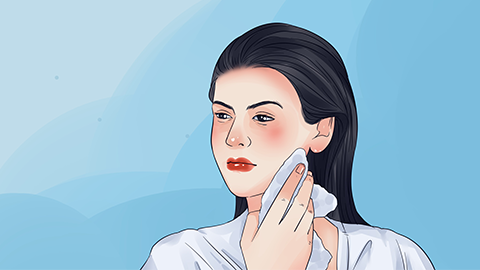
Facial cosmetic allergy commonly arises from inherently sensitive skin or from frequent switching between different cosmetic products. Skin types vary significantly among individuals: some people have naturally sensitive skin, while others develop sensitivity due to improper skincare practices. In such cases, the skin becomes more prone to allergic reactions upon exposure to irritating cosmetics. Additionally, mixing products from multiple brands—or frequently changing cosmetic brands—can also provoke allergic responses.
After developing a cosmetic allergy on the face, avoid further cosmetic use to prevent additional skin damage. Dietary adjustments are also important: opt for bland, non-irritating foods and avoid spicy, stimulating, or allergenic items. We hope this information proves helpful!





