


Can people with high blood sugar eat glutinous rice?
May 10, 2022
Source: Cainiu Health

Dr. Li Man
Introduction
Patients with high blood glucose can consume glutinous rice, but should avoid excessive intake. It is recommended to eat glutinous rice only occasionally and in strictly controlled portions. The glycemic index (GI) of glutinous rice is relatively higher than that of regular white rice. Additionally, patients with elevated blood glucose should be cautious about potential indigestion when consuming glutinous rice, as many such patients have had long-standing disease, leading to diminished gastrointestinal digestive function.
Many people experience elevated blood glucose levels in daily life. In most cases, this is attributable to habitual overeating and excessive consumption of sweets. Glutinous rice-based foods—such as zongzi (sticky rice dumplings) and tangyuan (glutinous rice balls)—are traditional Chinese delicacies widely enjoyed by many. But can individuals with high blood glucose consume glutinous rice?
Can individuals with high blood glucose eat glutinous rice?
Patients with elevated blood glucose may consume glutinous rice, but only in moderation. It is advisable to eat it only occasionally and strictly control portion size. The glycemic index (GI) of glutinous rice is relatively higher than that of regular white rice. Additionally, patients with hyperglycemia should be mindful of potential digestive issues: many have had diabetes for a prolonged period, resulting in diminished gastrointestinal digestive function.
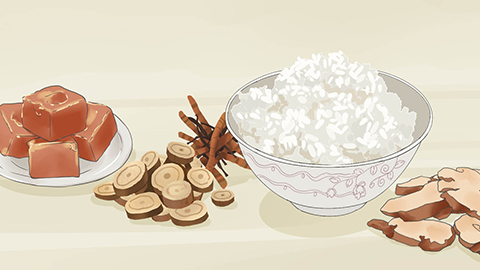
For patients with diabetic autonomic neuropathy, early-stage gastroparesis is common; consuming glutinous rice under such conditions may exacerbate indigestion. Therefore, portion control is essential, and individuals should carefully assess their own digestive capacity before eating glutinous rice. Elderly diabetic patients and those with compromised digestive function are advised to exercise particular caution—and ideally avoid glutinous rice altogether.
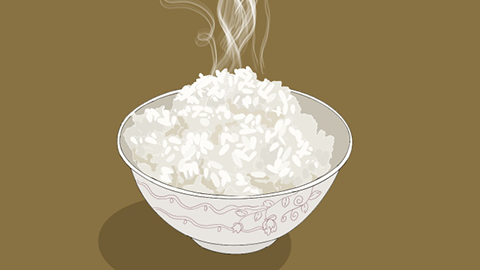
Individuals with elevated blood glucose are encouraged to choose drier staple foods and increase intake of vegetables—including leafy greens and mushrooms—while carefully controlling the quantity of staple carbohydrates per meal. Each main meal should contain no more than 100 g (≈2 liang) of staple food. They should also avoid rapidly absorbed foods such as congee (rice porridge), as well as high-calorie items like fried foods and nuts. We hope this information proves helpful!







