


What medication is effective for quickly relieving bronchitis-associated cough with phlegm?
May 12, 2022
Source: Cainiu Health

Dr. Jiang Weimin
Introduction
Bronchitis is an acute inflammation of the tracheal mucosa caused by biological, physical, and chemical irritants as well as allergens. It may also result from persistent upper respiratory tract infections. In cases of bacterial infection, antiviral and antibacterial agents—such as Houttuynia cordata (Yu Xing Cao) or Shuang Huang Lian—are recommended; alternatively, β-lactam antibiotics—including penicillins and cephalosporins—may be used.
Bronchitis is a common clinical condition characterized by coughing and sputum production. Patients with bronchitis often experience these symptoms, and expectorant medications can help alleviate them. So, what medications are most effective for rapidly relieving cough with sputum in bronchitis?
What Medications Are Most Effective for Rapidly Relieving Cough with Sputum in Bronchitis?
Bronchitis is an acute inflammation of the tracheal mucosa caused by biological, physical, or chemical irritants and allergens. It may also result from persistent upper respiratory tract infections. In cases of bacterial infection, antiviral and antibacterial agents—such as Houttuynia cordata (fish mint) or Shuanghuanglian—are recommended; alternatively, β-lactam antibiotics—including penicillin or cephalosporins—may be prescribed.
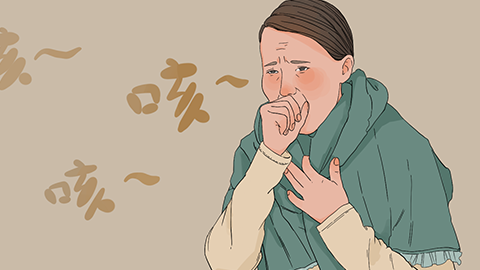
For symptom relief, patients with dry cough may benefit from antitussive medications such as ketotifen (Ke Ping) or cloperastine (Ke Bi Qing). However, antitussives should be avoided in patients producing sputum, as suppressing the cough reflex may lead to sputum retention and worsen infection. Instead, expectorant-antitussive combination preparations—such as honey-fritillary loquat syrup or Feili止 (Feili Zhike) syrup—can effectively relieve cough while promoting sputum clearance. Inhaled corticosteroids—like budesonide—administered via nebulization may also be used to dilute secretions and reduce airway inflammation, yielding favorable therapeutic outcomes.
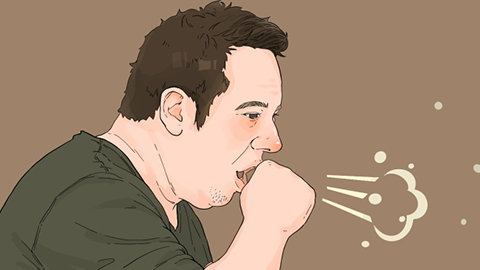
Patients should strictly adhere to their physician’s prescribed dosing schedule. Additionally, they should avoid spicy and irritating foods, drink ample warm water, and opt for light, easily digestible meals. In severe cases—such as intense coughing or excessive sputum production—patients should seek evaluation and treatment at a reputable hospital under professional medical supervision. They should also avoid consuming foods that may induce “heatiness” (a traditional Chinese medicine concept referring to inflammatory or hyperactive conditions), while increasing intake of fresh fruits and vegetables. Maintaining appropriate warmth is equally important. We hope this information proves helpful!



