


What Are the Effects and Side Effects of Ophiopogon Root (Mai Dong)?
May 13, 2022
Source: Cainiu Health

Dr. Zhao Haiming
Introduction
Winter wheat (Ophiopogon japonicus, also known as “Mai Dong”) functions to nourish yin, generate body fluids, moisten the lungs, and relieve cough. In daily life, it can be steeped in hot water for consumption, exerting effects of nourishing yin, promoting fluid production, relieving cough, and moistening the lungs. For instance, Mai Dong is commonly used to treat dryness-induced cough due to lung dryness, irritability with insomnia, and other related conditions. Additionally, it may be employed for palpitations caused by deficiency of heart yin and resultant susceptibility to fright. Other indications include yin deficiency with symptoms such as dry mouth, yin depletion, and dry throat.
Ophiopogon japonicus (Maidong) is a commonly used traditional Chinese medicinal herb with numerous therapeutic effects. In daily life, steeping Maidong in hot water for consumption offers various health benefits. So, what are the therapeutic effects and potential side effects of Maidong?
Therapeutic Effects and Side Effects of Maidong
Maidong functions to nourish yin, replenish body fluids, moisten the lungs, and relieve cough. It is commonly consumed as a tea infusion in daily practice. Its primary actions include nourishing yin and generating body fluids, relieving cough, and moistening the lungs. For instance, Maidong may be used to treat dryness-induced lung cough, irritability with insomnia, and other related conditions. Additionally, it can address palpitations caused by deficiency of heart yin and resultant susceptibility to fright. It is also indicated for symptoms such as yin deficiency, dry mouth, yin depletion, and dry throat—particularly during the later stages of febrile diseases.
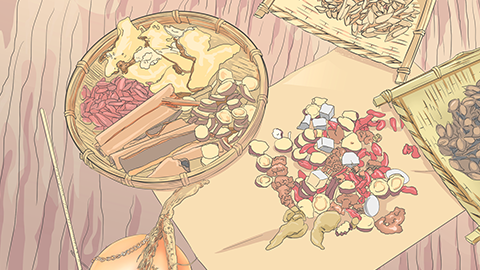
Side effects primarily involve gastrointestinal discomfort. Some individuals may experience a range of digestive symptoms after taking Maidong, including nausea, vomiting, belching, and increased bowel movements. However, if administration is discontinued promptly, symptoms such as abdominal pain and bloating typically resolve gradually within two weeks. Under normal dosage and usage, Maidong generally produces no toxic or adverse effects.
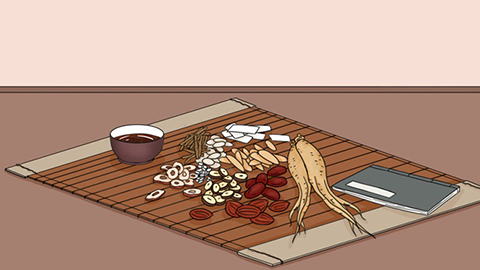
It should be noted that some patients may develop cutaneous allergic reactions during Maidong treatment. In severe cases, multiple erythematous papules or maculopapular rashes may appear across the body, often accompanied by intense pruritus. Prompt medical evaluation and treatment at a hospital are essential in such instances. We hope this information proves helpful to you.






