


What is the normal body temperature for infants?
May 13, 2022
Source: Cainiu Health

Dr. Xie Zixing
Introduction
Infants’ and young children’s body temperature generally remains within the same range as that of adults. Typically, a normal body temperature for infants and young children is up to 37.5°C. When measuring temperature in infants or young children, they should be in a calm, quiet state and should not have recently consumed food or drink. If the oral temperature reading exceeds 37.5°C under these conditions, the child is considered to have a fever. As long as an infant’s temperature remains within this controllable range, it is considered normal.
In daily life, parents frequently take their infant’s temperature. So, what is considered a normal body temperature for infants?
What Is a Normal Body Temperature for Infants?
An infant’s body temperature generally falls within the same range as that of adults. Typically, a normal temperature for infants and young children is up to 37.5°C. When measuring an infant’s temperature, ensure the child is calm and has not recently eaten. If the oral temperature reading exceeds 37.5°C, the infant is considered to have a fever. Other reliable methods for measuring infant temperature include rectal thermometers, digital thermometers, and axillary (underarm) thermometers. As long as the infant’s temperature remains within this acceptable range, it is considered normal. Parents should provide a comfortable environment with room temperature maintained between 22°C and 24°C. For the most accurate measurement, it is recommended to use a mercury-in-glass thermometer placed in the axilla (underarm).

If a child’s temperature is elevated, first assess the exact reading. For temperatures below 38.5°C, physical cooling methods are typically recommended—such as gently wiping the forehead, armpits, and groin areas with lukewarm water. Perform this wiping 1–2 times, for approximately 10 minutes each session. If the temperature exceeds 38.5°C, oral antipyretic medication should be administered in addition to physical cooling. Body temperature usually begins to normalize several hours after medication. Encourage the child to drink plenty of fluids, provide attentive care, and avoid exposure to cold. Including vegetables and fruits in the diet is also beneficial.
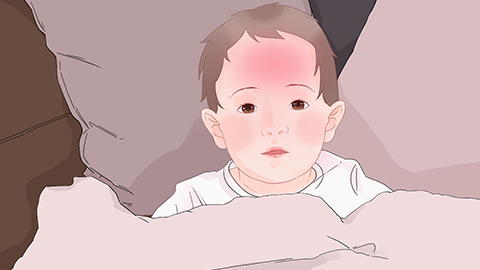
Parents should closely monitor changes in the child’s temperature. If fever persists or recurs without improvement—or if it is accompanied by other symptoms—prompt medical evaluation at a hospital is essential. We hope this article has been helpful to you!






