


How to Treat Dry, Bleeding Nose
May 13, 2022
Source: Cainiu Health

Dr. Pan Yongyuan
Introduction
Dry air can easily cause nasal dryness and epistaxis (nosebleeds), which can typically be improved through the following measures: using a humidifier indoors or ensuring good indoor ventilation—both are highly effective in alleviating nasal dryness and bleeding. Additionally, applying cold compresses may help promote peripheral vasoconstriction (not vasodilation), thereby reducing bleeding. If epistaxis is significant, local pressure application can be used for hemostasis: gently press the outer part of the bleeding nostril with your fingers for approximately ten minutes.
Nosebleeds are a relatively common occurrence in daily life. There are many potential causes, one of which is nasal dryness. So, how should nosebleeds caused by dryness be treated?
How to Treat Nosebleeds Caused by Nasal Dryness
Dry air can easily trigger nasal dryness and subsequent bleeding. This condition can often be improved through the following measures: installing a humidifier indoors or ensuring adequate indoor ventilation—both effectively alleviate nasal dryness and reduce bleeding. Applying cold compresses may also help by promoting peripheral vasoconstriction (not vasodilation), thereby minimizing blood loss. If bleeding is heavy, apply direct pressure to the affected side of the nostril for approximately ten minutes.
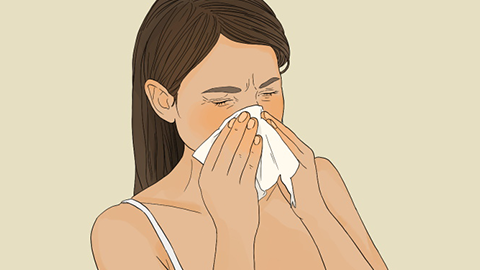
Once the nosebleed is controlled, applying vitamin E ointment to the nasal mucosa can aid wound healing. In cases of severe dryness-related epistaxis, anti-inflammatory medications may be used as adjunctive therapy. Patients with dry nasal mucosa should avoid environments with high levels of dust, bacteria, or viruses, as these may exacerbate infection. Smoking and alcohol consumption are strongly discouraged.
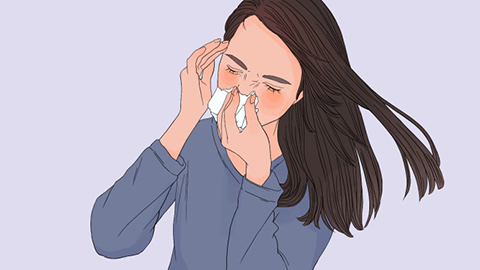
Patients should also maintain adequate hydration in daily life, as sufficient water intake supports the body’s natural elimination of toxins and pathogens. Diet-wise, emphasize fruits and vegetables rich in vitamins—such as apples, bananas, and tomatoes—and avoid spicy foods that may irritate the nasal mucosa. Regular physical exercise is recommended to enhance overall immunity. We hope this information proves helpful!



