


What to do about dry mouth, dry tongue, and dry nose in autumn
Nov 27, 2025
Source: Cainiu Health

Dr. Lu Cheng
Introduction
Dry mouth, dry tongue, and nasal dryness in autumn are often caused by low humidity, insufficient daily water intake, xerotic rhinitis, atrophic rhinitis, Sjögren's syndrome, and other factors. It is recommended to seek medical advice promptly, identify the underlying cause, and receive appropriate treatment. In daily life, avoid spicy, fried, and heat-inducing foods; instead, consume more hydrating foods such as pears, silver ear fungus, and grapefruit.
Dry mouth, dry throat, and nasal dryness in autumn are often caused by low humidity, insufficient daily water intake, simple rhinitis, atrophic rhinitis, Sjögren's syndrome, and other factors. It is recommended to seek medical advice promptly, identify the underlying cause, and take appropriate measures accordingly. Specific analysis is as follows:
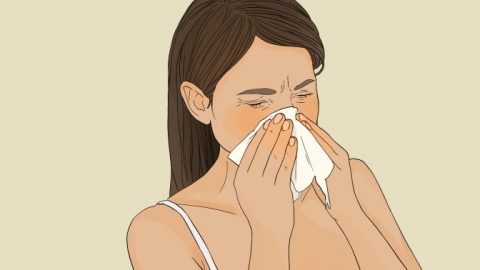
1. Low climatic humidity: The air in autumn is dry, and the mucous membranes of the mouth and nose are directly exposed to dry air, causing moisture loss much faster than usual, easily leading to dryness and itching discomfort. A humidifier can be used indoors to maintain humidity between 40%–60%, with better results before bedtime. When going outdoors, wearing a cotton mask helps reduce irritation of mucous membranes by dry air.
2. Insufficient daily water intake: Many people only drink water when they feel thirsty, but by then the body is already mildly dehydrated, significantly reducing secretion from salivary glands and nasal mucosal glands. Develop the habit of drinking small amounts of water frequently rather than waiting until thirsty. Daily water intake should be maintained at 1,500–2,000 milliliters, with a glass of warm water upon waking and before bedtime.
3. Simple rhinitis: After being irritated by dust or cold air, nasal mucosa secretion function decreases, resulting in symptoms such as nasal dryness, nasal itching, and occasional burning sensation. Follow medical advice for treatment; medications like physiological saline nasal spray, compound menthol nasal drops, or cod liver oil nasal drops may be used to moisturize the nasal mucosa.
4. Atrophic rhinitis: Gradual atrophy of the nasal mucosa and submucosal tissues leads to enlarged nasal cavities and increased moisture loss, often accompanied by nasal crusting and reduced sense of smell. In early stages, vitamin A soft capsules, vitamin B2 tablets, and erythromycin ointment may be used to alleviate symptoms.
5. Sjögren's syndrome: An autoimmune disorder where the immune system mistakenly attacks glands such as salivary and lacrimal glands, reducing secretions. Besides dry mouth and nose, it commonly involves dry eyes. Treatment under medical guidance may include sodium hyaluronate eye drops, hydroxychloroquine tablets, and total glucosides of paeony capsules.
In daily life, avoid spicy, fried, and heat-inducing foods. Consume more hydrating foods such as pears, silver ear fungus (tremella), and grapefruit. Reduce prolonged stays in air-conditioned rooms, regularly clean humidifiers to prevent bacterial growth, and use comprehensive lifestyle adjustments to effectively relieve dryness issues.



