


What Causes Dizziness, Vertigo, Nausea, and Vomiting?
May 13, 2022
Source: Cainiu Health

Dr. Li Man
Introduction
Dizziness, nausea, and vomiting may result from various disorders. For details, please refer to the following points:
- Cerebral ischemia—particularly posterior circulation ischemia. Ischemia of the cerebellum and brainstem impairs balance control, leading to symptoms such as visual vertigo (a sensation of spinning), nausea, and vomiting.
- Ménière’s disease—a balance disorder caused by abnormal fluid accumulation in the inner ear labyrinth—often accompanied by fluctuating hearing loss.
In daily life, dizziness, vertigo, nausea, and vomiting are relatively common symptoms; however, patients often remain unaware of the underlying cause, leaving them confused and perplexed. So, what exactly causes dizziness, vertigo, nausea, and vomiting?
What Causes Dizziness, Vertigo, Nausea, and Vomiting?
Dizziness, nausea, and vomiting may stem from various medical conditions. Key possibilities include:
- Cerebral ischemia, particularly posterior circulation ischemia. Reduced blood flow to the cerebellum and brainstem disrupts balance control, leading to sensations of visual rotation (vertigo), nausea, and vomiting.
- Meniere’s disease, an inner-ear disorder caused by abnormal accumulation of endolymphatic fluid, resulting in vestibular dysfunction and often accompanied by fluctuating hearing loss.
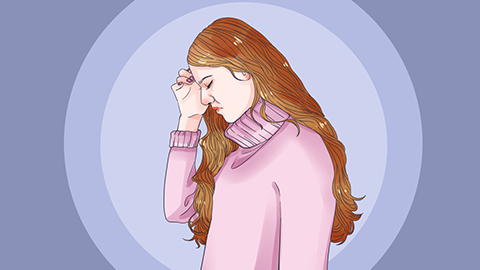
Vestibular neuritis: Many patients report upper respiratory tract infection symptoms prior to onset, followed by acute dizziness accompanied by nausea, vomiting, and imbalance. Other potential causes include cervical spondylosis, anemia, autonomic nervous system dysfunction, cardiac arrhythmias, and poor sleep quality or insufficient rest. Patients are advised to promptly undergo evaluation—including blood pressure and lipid profile testing—and maintain emotional well-being, avoid stress and irritability, establish a regular and balanced daily routine, and seek timely medical consultation. When necessary, hospital referral is strongly recommended.
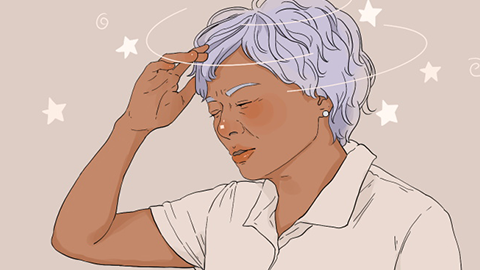
In daily life, it is important to relax both mentally and physically, avoid excessive self-imposed stress, and adopt a light, balanced diet—emphasizing fresh vegetables and fruits. Avoid chronic sleep deprivation and prioritize adequate rest. We hope this information proves helpful to you!







