


What is the normal range for uric acid?
May 14, 2022
Source: Cainiu Health

Dr. Zhao Xinju
Introduction
The normal range for uric acid is 149–416 μmol/L. Excessive intake of purine-rich foods, disordered purine metabolism, or impaired kidney function can all lead to elevated uric acid levels in the body. Maintaining a balanced diet and increasing physical activity are beneficial for regulating overall health. In fact, hyperuricemia can be classified as either symptomatic or asymptomatic.
In daily life, some men place particular emphasis on their physical health and therefore undergo regular medical check-ups. So, what is the normal range for uric acid?
What Is the Normal Range for Uric Acid?
The normal reference range for serum uric acid is 149–416 μmol/L. Excessive intake of purine-rich foods, disordered purine metabolism, or impaired renal function can all lead to elevated uric acid levels. Maintaining a balanced diet and increasing physical activity are beneficial for overall health regulation.
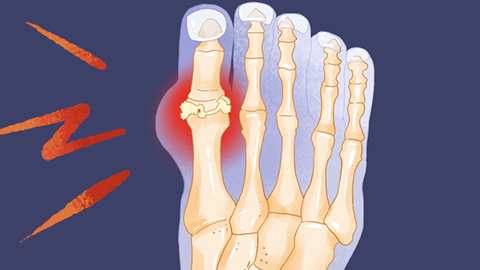
In fact, hyperuricemia can be categorized as either symptomatic or asymptomatic. Asymptomatic hyperuricemia—elevated uric acid without overt clinical symptoms—may pose an even greater health risk. Elevated uric acid impairs vascular elasticity, contributes to blood pressure fluctuations, and increases the risk of cardiovascular and cerebrovascular diseases, including coronary artery disease, cerebral thrombosis, and intracerebral hemorrhage. Moreover, asymptomatic hyperuricemia may induce insulin resistance, thereby complicating diabetes management and hindering achievement of optimal glycemic control.

When uric acid levels are elevated, the most common manifestation is acute gouty arthritis, characterized by sudden, severe redness, swelling, heat, and pain—typically affecting a single joint. However, uric acid levels remain elevated throughout the intercritical (asymptomatic) phase of gout, and tophi (urate crystal deposits) may form at distal extremities and peripheral sites. Recent findings indicate that tophi not only occur in distal limbs but may also deposit in the auricle and even within blood vessel walls. We hope this information proves helpful!






