What Is Osteogenesis Imperfecta?
May 15, 2022
Source: Cainiu Health

Dr. Lin Yunfei
Introduction
Osteogenesis Imperfecta (OI), also known as brittle bone disease or “brittle bone syndrome,” is a rare inherited bone disorder characterized by increased bone fragility. Affected children are prone to fractures—even minor trauma can result in severe fractures. The estimated incidence is approximately 1 in 3,300–5,000 births (0.03%). The male-to-female ratio is nearly equal. The exact etiology remains unclear, though a strong familial inheritance pattern is observed, indicating it is a congenital genetic disorder. Based on underlying gene mutations, OI has been classified into types I–XI; however, this classification remains subject to debate.
In daily life, some individuals are diagnosed with osteogenesis imperfecta (OI), a condition that significantly impacts and disrupts their quality of life. But what exactly is osteogenesis imperfecta?
What Is Osteogenesis Imperfecta?
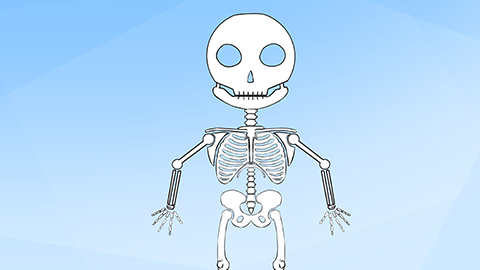
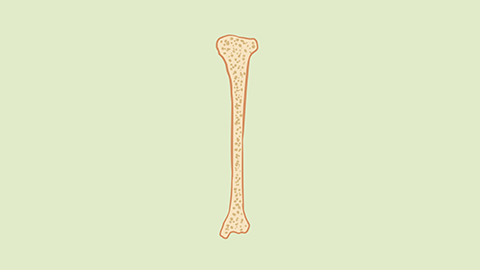
Osteogenesis imperfecta (OI), also known as brittle bone disease or “brittle bone syndrome,” is a rare inherited disorder of bone metabolism characterized by extreme bone fragility. Affected children are prone to fractures—even minor trauma or light impact can result in severe fractures. The estimated prevalence is approximately 1 in 30,000–50,000 individuals. The male-to-female ratio is roughly equal. The exact etiology remains unclear, though a strong familial inheritance pattern is observed, indicating it is a congenital genetic disorder. Based on underlying gene mutations, OI has been classified into 4–11 subtypes; however, this classification remains subject to debate. Pathologically, the disease is primarily associated with deficient or structurally abnormal type I collagen. As a systemic connective tissue disorder, OI affects not only bone but also other connective tissues—including the eyes, ears, skin, and teeth.
Individuals with osteogenesis imperfecta should follow a light, balanced diet. Emphasis should be placed on清淡 (mild, non-irritating) foods—such as fresh vegetables, fruits, soy products—and adequate intake of protein, vitamin B complex, and vitamin C. Alcohol consumption must be avoided. Spicy foods, seafood, beef, mutton, dog meat, and other highly stimulating or greasy foods should also be avoided. Sufficient rest is essential, and excessive physical exertion should be minimized.
Currently, there are no medical contraindications strictly prohibiting parents of children with OI from having additional children. No laws or regulations explicitly forbid such reproduction; however, careful ethical considerations—particularly within the realm of medical ethics—are strongly advised. Moreover, individuals exhibiting symptoms suggestive of OI should seek prompt medical evaluation and undergo appropriate diagnostic testing. Management should always be conducted under the guidance of qualified healthcare professionals. We hope this information proves helpful!