


Does drinking Huang Qi (Astragalus membranaceus) steeped in hot water cause “internal heat” (a concept in Traditional Chinese Medicine)?
May 15, 2022
Source: Cainiu Health

Dr. He Haochen
Introduction
Consuming Huang Qi (Astragalus membranaceus) as an infusion may cause “internal heat” (a traditional Chinese medicine concept referring to symptoms such as sore throat, dry mouth, or acne). When used solely as a health-promoting infusion, Huang Qi is generally safe; however, excessive dosage or prolonged use may lead to signs of internal heat. Conversely, if a patient genuinely presents with qi deficiency—without concurrent yin deficiency and hyperactive fire—oral administration of Huang Qi is appropriate and typically does not induce internal heat in the short term. Huang Qi has a sweet taste and warm nature, and it enters the Spleen and Lung meridians, exerting an uplifting effect on yang qi.
Astragalus membranaceus (Huang Qi) is a traditional Chinese herbal medicine with warming and tonifying properties. It functions to strengthen the spleen and replenish qi, prevent common colds, promote skin health and beauty, enhance mental alertness, and alleviate edema by promoting diuresis. So, does drinking Huang Qi steeped in water cause “internal heat” (a TCM concept referring to symptoms such as sore throat, acne, or irritability)?
Does drinking Huang Qi steeped in water cause internal heat?
Yes, drinking Huang Qi steeped in water may lead to internal heat—particularly when consumed in large quantities over an extended period. When used solely for general health maintenance, moderate intake typically poses no issue. However, if one truly exhibits symptoms of qi deficiency without concurrent yin deficiency or excess fire, oral administration of Huang Qi is generally safe and unlikely to induce internal heat in the short term. Huang Qi has a sweet taste and warm nature, entering the Spleen and Lung meridians. Its therapeutic actions include reinforcing qi, consolidating the exterior, promoting urination to reduce edema, supporting wound healing and abscess resolution, and uplifting yang qi. Therefore, its use must be guided by individualized TCM pattern differentiation.
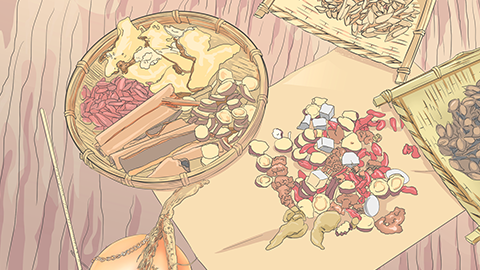
Steeping Huang Qi in water helps boost immune function and improve mental clarity—making it especially suitable for office workers who frequently work overtime or experience high levels of stress. Women who drink a daily tea made from Huang Qi, goji berries (Lycium barbarum), and jujube (Ziziphus jujuba) may also benefit from enhanced skin health and overall physical strength. Just two to three cups per day are sufficient—and this natural beverage is far healthier than commercially available fruit juices. For individuals prone to recurrent colds, regular consumption of Huang Qi infusion can help prevent colds.
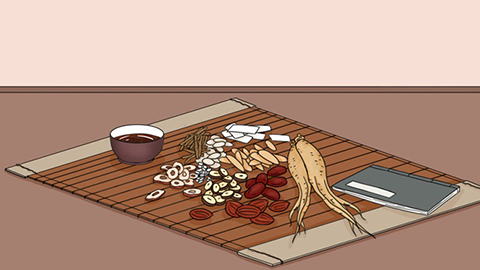
Some individuals may have constitutions unsuitable for Huang Qi infusion and should first conduct a simple tolerance test: reduce the typical dose (e.g., from 15 g to 5–10 g) and observe for any adverse reactions. If no issues arise, the dosage may gradually be increased. We hope this information proves helpful!





