


When Is the Best Time to Take Calcium for Optimal Absorption?
May 17, 2022
Source: Cainiu Health

Dr. Lin Yunfei
Introduction
It is recommended to take calcium supplements after dinner to optimize calcium absorption. The most commonly used calcium supplement is calcium carbonate, which dissociates into calcium ions under the action of gastric juice and is subsequently absorbed in the gastrointestinal tract before entering the bloodstream. First, calcium carbonate exhibits particularly high absorption rates during nighttime; therefore, taking calcium supplements after dinner maximizes absorption efficiency. Second, nocturnal calcium loss from the body is relatively pronounced.
Calcium supplementation is typically recommended for children and adolescents during growth and development, pregnant women, and older adults. So, when is the optimal time to take calcium for maximum absorption?
When Is the Best Time to Take Calcium for Optimal Absorption?
It is generally recommended to take calcium supplements after dinner, as this timing enhances calcium absorption. Most commercially available calcium tablets contain calcium carbonate. Under the action of gastric acid, calcium carbonate dissociates into calcium ions, which are then absorbed in the gastrointestinal tract and enter the bloodstream. First, calcium carbonate exhibits particularly high absorption rates at night; thus, taking calcium after dinner maximizes its absorption. Second, nocturnal calcium loss is relatively pronounced in humans; therefore, supplementing calcium after dinner helps maintain stable blood calcium concentrations, sustain normal muscle tone, and prevent muscle cramps caused by hypocalcemia. It is commonly advised to take approximately 600 mg of calcium carbonate with dinner to promote optimal absorption and enhance its bioavailability—beneficial especially for the management of osteoporosis.
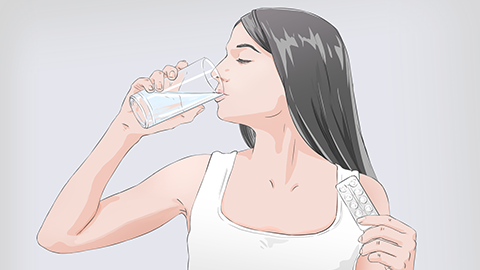
Typically, the optimal window for calcium absorption occurs between meals—specifically, after lunch and before dinner, usually around 3–4 p.m. Taking calcium at this time yields the highest bioavailability and most efficient absorption. However, an exception applies to patients with significant or severe gastrointestinal disorders—for instance, upper gastrointestinal bleeding, esophageal or gastric varices, or overt gastric or duodenal ulcers. In such cases, calcium may be better absorbed on an empty stomach.
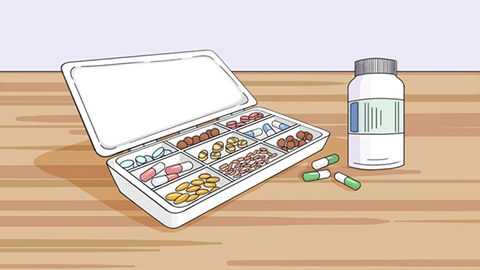
Patients should avoid consuming foods high in oxalic acid—such as spinach, green peppers, and cilantro—within two hours before or after taking calcium supplements. Oxalic acid can bind with calcium to form insoluble calcium oxalate, which is poorly absorbed and may increase the risk of stone formation. Patients with a history of kidney stones—or other types of calculi—should avoid long-term, high-dose calcium supplementation. We hope this article has been helpful to you!





