How to Treat Bedbug Bite Symptoms
May 17, 2022
Source: Cainiu Health

Dr. Liu Wan
Introduction
Bed bugs have a very close relationship with humans and livestock. In addition to blood-sucking and causing irritation, a more serious hazard is that certain bed bugs can serve as vectors for diseases affecting humans and animals. Typically, the skin rash at affected sites appears in a relatively regular pattern—often arranged linearly or in streak-like formations. Treatment may include antiallergic therapy, such as oral olopatadine hydrochloride tablets or epinastine hydrochloride capsules.
Following a bed bug bite, the skin may develop wheal-like papules, vesicles, or edematous erythematous plaques, often accompanied by intense pruritus. How, then, should bed bug bite symptoms be treated?
How to Treat Symptoms of Bed Bug Bites
The skin lesions typically appear in a relatively orderly pattern—often linear or streak-like. Treatment primarily involves antiallergic therapy: oral administration of olopatadine hydrochloride tablets or epinastine hydrochloride capsules, combined with topical application of a mixture of hydrocortisone butyrate ointment and butenafine hydrochloride ointment, applied in appropriate amounts. If erythema and swelling occur during treatment, an anti-inflammatory and antibacterial ointment such as fusidic acid ointment should also be applied. During treatment, all close-contact clothing must be washed in hot water (boiling or near-boiling) and thoroughly sun-dried. The indoor environment must be thoroughly cleaned and disinfected. Alcohol consumption must be strictly avoided.
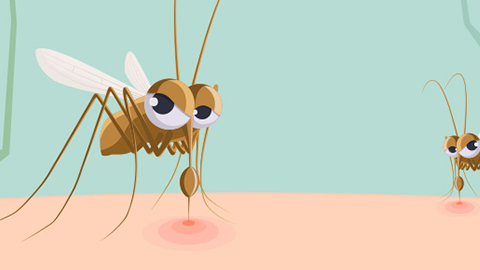
Bed bugs have extremely close associations with humans and domestic animals. Beyond causing blood-feeding nuisance and irritation, they pose more serious health threats as vectors for certain human and animal diseases—including plague, endemic typhus, tularemia, and myxomatosis. Additionally, the dog tapeworm (Dipylidium caninum), which parasitizes the human intestine—especially in children—can be transmitted by fleas infesting dogs and cats. When dog fleas lose their original host, they readily relocate to household furniture such as sofas and beds, or to clothing, where they await new hosts—including humans and other animals—to feed upon, thereby transmitting numerous infectious diseases. Moreover, bed bugs reproduce prolifically: a single adult female can produce 200–400 offspring. Therefore, prompt action is essential upon detection of bed bugs in the home.

Recommendation: To eradicate bed bugs, maintaining rigorous household hygiene is paramount. Pet owners must also ensure thorough pet hygiene and eliminate all potential sanitation “blind spots” within the home. We hope this information proves helpful to you!