


What Causes Joint Pain After Drinking Alcohol?
May 17, 2022
Source: Cainiu Health

Dr. Lin Yunfei
Introduction
Common causes of joint pain after alcohol consumption include:
**Gout**: In patients with hyperuricemia, joint pain—particularly in the big toe—following alcohol intake (especially白酒 [baijiu], beer, or yellow rice wine) strongly suggests gout. However, further evaluation is required, including assessment for elevated serum uric acid levels and clinical signs such as local erythema, swelling, warmth, and tenderness.
A joint is the connection between two bones, enabling specific functions and facilitating limb movement. Its anatomical components include the joint cavity, joint capsule, blood vessels, and nerves. However, joints are relatively vulnerable structures; inadequate care may lead to conditions such as arthritis and degenerative joint disease.
Why does joint pain occur after drinking alcohol?
Common causes of joint pain following alcohol consumption include:
Gout: In patients with hyperuricemia, joint pain—particularly in the big toe—after consuming alcohol (especially spirits, beer, or rice wine) strongly suggests gout. Further diagnostic evaluation is required, including assessment for elevated serum uric acid levels, local signs of inflammation (e.g., erythema, swelling, warmth, and tenderness), and ultrasound imaging of the affected joint to detect monosodium urate crystal deposits.
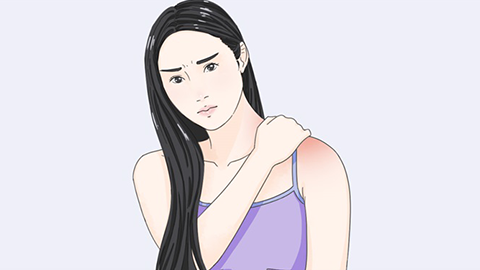
Hepatic impairment: Excessive alcohol intake can damage liver function. Impaired hepatic metabolism leads to accumulation of harmful metabolites, such as lactic acid, which may cause joint and muscle pain as well as generalized myalgia.

To alleviate joint pain after drinking, consider consuming fruits with alcohol-metabolizing properties—such as watermelon, bananas, and kiwifruit. These fruits help break down alcohol in the body, reduce hepatic metabolic burden, and exert a diuretic effect, thereby promoting rapid elimination of alcohol. As lactic acid is gradually metabolized, associated systemic aches and pains will subside progressively. We hope this information proves helpful to you!






