


What should I do about scars after a scald burn from boiling water?
May 17, 2022
Source: Cainiu Health

Dr. Liu Wan
Introduction
Management options include:
- Using compression garments or elastic bandages to apply localized pressure on the scar, thereby inhibiting excessive scar elevation above the surrounding normal skin.
- Pharmacological anti-scar therapies, such as silicone-based dressings or corticosteroids.
- Laser therapy—particularly for smaller scars that respond poorly to topical treatments (e.g., ointments)—which may be administered in multiple sessions.
This is a broad concept referring collectively to changes in the appearance and histopathology of normal skin tissue following various types of trauma.
How to manage scars resulting from scald burns caused by boiling water
Management options for scars left after scald burns from boiling water include the following: First, applying pressure therapy using elastic sleeves or compression bandages over the scarred area to suppress excessive scar elevation above surrounding normal skin. Second, pharmacological anti-scar treatments, such as silicone-based dressings or corticosteroids. Third, laser therapy—particularly for smaller scars that respond poorly to topical medications—administered in multiple sessions.

Intralesional injection therapy primarily involves injecting corticosteroid medications directly into the scar tissue. Surgical intervention may be considered for scars located over joints that cause contractures or functional impairment; procedures may include scar excision or scar release. The above treatment options are for reference only. Specific medication use should be determined based on individual circumstances and under the guidance of a qualified physician.
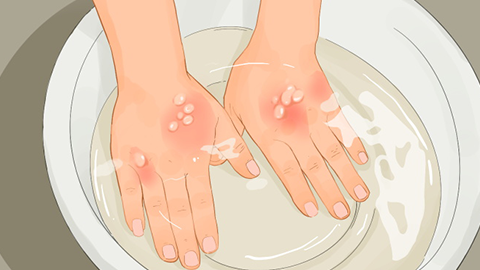
Scars resulting from scald burns caused by boiling water typically exhibit features such as post-inflammatory hyperpigmentation, atrophic wound surfaces, or localized elevation above the surrounding skin plane—potentially compromising aesthetics significantly. Appropriate therapeutic interventions are therefore essential for effective restoration. We hope this response has been helpful to you!




